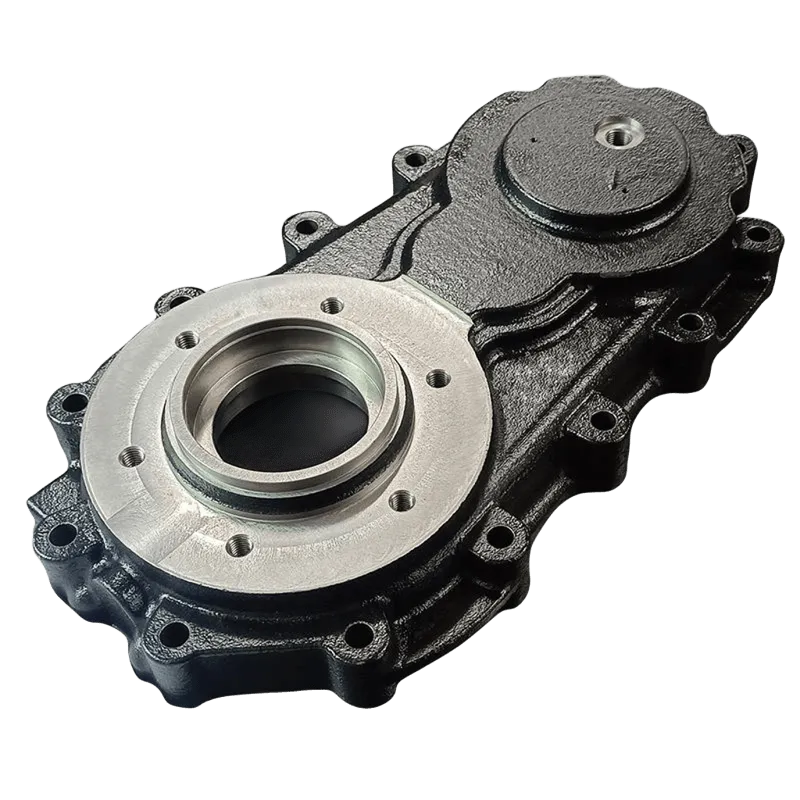

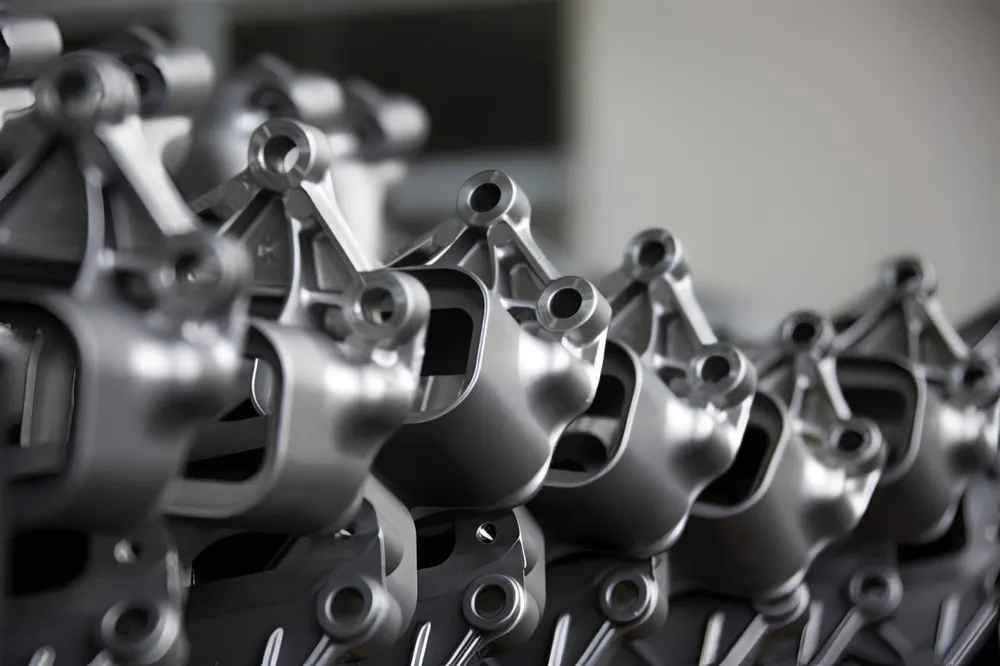
Die casting is a cost-effective way to produce high-volume metal parts with complex geometry and consistent dimensions. For procurement teams sourcing components like valve and pump housings, industrial brackets, lock hardware, and tool bodies, metal selection is critical. It affects unit cost, lead time, surface finish, machining needs, and the ability to meet leak testing standards.
The usual selection process is to compare metal families, narrow options by specific alloy, and finalize inspection and testing plans with your supplier. This page outlines the most common die casting metals and alloy families found in quotes, such as A380/A360 and the Zamak series, to help you align material choice with performance requirements before committing to tooling.
Die Casting Material Overview
Choosing a die casting metal is more than a material decision. It affects unit cost, tool design, cycle time, finishing options, and defect risk. For procurement, the goal is to match metal choice with what matters: function, volume, cosmetic needs, and whether the part must be pressure-tight. This section gives a high-level comparison so you can narrow options before getting lost in alloy codes. Then we’ll go metal by metal and highlight what tends to go right and what tends to go wrong.
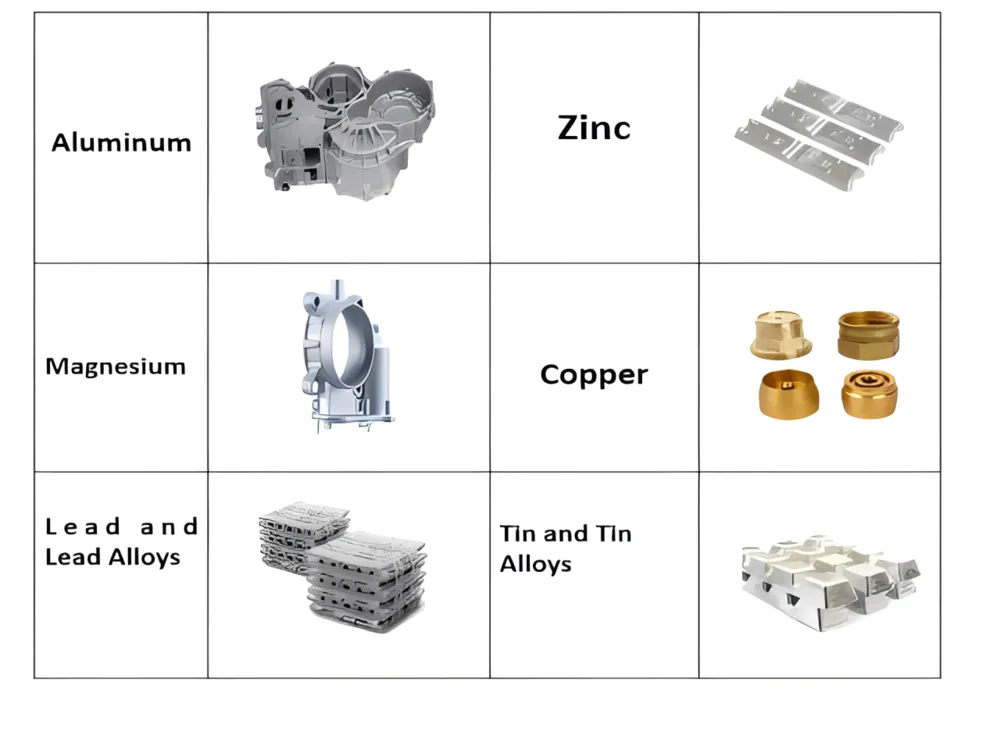
Aluminum
Key characteristics of aluminum alloys
Aluminum die casting offers a balance of mechanical performance, weight, and price stability. For industrial components, aluminum is often chosen because it provides tensile strengths around 320 MPa with densities of about 2.7 g/cm³. This lets housings and brackets meet demanding structural specs while reducing part mass by up to 60 percent compared to equivalent steel components (verify with supplier data sheets).
- Corrosion behavior: With proper alloy selection and the addition of coatings, anodizing, or painting as needed, many aluminum die-cast parts can achieve salt-spray resistance of 300–500 hours (ASTM B117 standard), supporting outdoor and marine applications. Request corrosion test results from suppliers on relevant alloys.
- Thermal conductivity: Most die-casting aluminum alloys have melting points from 580°C to 630°C, supporting high-pressure casting. This results in thermal conductivities of 80–120 W/mK, which benefits enclosures, heat sinks, and motor housings that require efficient heat dissipation. Confirm with alloy property datasheets.
- Machinability: Alloys like A360 and AlSi10Mg naturally develop a protective oxide film, providing resistance to moisture and chemical corrosion. They typically allow post-cast machining to IT8–IT10 tolerances and maintain good dimensional stability for sealing or critical surfaces when production and finishing are well-controlled.
Why is aluminum strong for complex parts?
Aluminum is frequently the best “complex geometry” option when you need:
- Integrated features: bosses, ribs, mounting points, pockets, cable channels—reducing assemblies and fasteners.
- Stable dimensional control at volume, especially when tooling, gating, and process windows are well-tuned.
- Functional consolidation: a valve housing that previously required multiple CNC parts can often be redesigned into a single die-cast part with finish machining.
Pump housings or valve bodies that require both complex shapes and machined sealing faces. Aluminum die casting reduces costs by casting the main geometry and machining only critical features, such as flanges, O-ring grooves, threads, and bores.
Typical applications
In industrial equipment and consumer hardware markets, aluminum die casting is commonly used for covers and actuator bodies, often with secondary machining and pressure or leak testing.
- Industrial enclosures and brackets: Industrial machinery components, such as pumps and mechanical enclosures, often use A380 alloy for its mechanical strength and castability. This adaptability is a main reason aluminum alloys remain prevalent in die casting.
- Tools and hardware: structural frames, handles, housings where durability and weight both matter.
- General equipment parts: anything that benefits from corrosion resistance and reasonable strength at scale.
Zinc
Distinctive features of zinc alloys
Zinc is popular because it efficiently produces complex shapes as consistent parts at high speed.
Low melting point
Zinc melts at a lower temperature than aluminum, resulting in faster productioncycles and reducedthermal stress on tooling. This can extend the life and lower per-part costs at scale.
Excellent fluidity
Zinc flows well in the die, supporting thin walls, fine details, and sharp feature definition. This is useful for hardware components, lock parts, small mechanisms, and decorative or functional surfaces.
Good ductility
Compared with many aluminum die casting alloys, zinc alloys often provide better ductility, which helps in parts that undergo snapping, crimping, or localized forming.
Suitable for complex designs
For designs with thin ribs, small holes, fine textures, logos, or strict cosmetic requirements, zinc often provides the best cost-performance, especially for high-volume production with minimal post-processing.
Procurement note: Zinc is often preferred for consumer hardware and lock components because it delivers excellent surface finish and detail without costly machining.
Magnesium is chosen when the product team is serious about weight reduction. Compared with aluminum, magnesium can offer:
- Lower density (lighter parts at similar geometry)
- Good castability for thin-wall components (depending on design and process capability)
- Potential performance advantages in applications where weight affects ergonomics or efficiency
The tradeoff is that magnesium requires tighter control of corrosion protection, surface treatment, and process discipline. For many procurement teams, magnesium is a “high ROI only if weight is a true requirement” material, not a default.
Copper, Lead, and Tin
Conductivity and durability
Copper-based alloys are sometimes used when electrical or thermal conductivity is the priority. The challenge is that copper alloys require higher processing temperatures and are more demanding on tooling, which increases costs. As a practical metric, die life typically drops by around 50 percent when casting copper alloys compared to standard aluminum alloys like A380, so tooling needs more frequent replacement or repair.
Lead and tin have historical and niche relevance in casting, but for modern manufacturing, especially with global compliance and customer policies, they are far less common in mainstream sourcing.
Excellent corrosion resistance and wear resistance
Certain copper alloys provide strong wear and corrosion resistance in specific environments. These properties matter for specialized industrial components but are not prioritized for general-purpose die casting.
Special uses
In most RFQs, copper, lead, and tin options appear as special-case materials, chosen for a particular property requirement rather than overall cost-effectiveness.
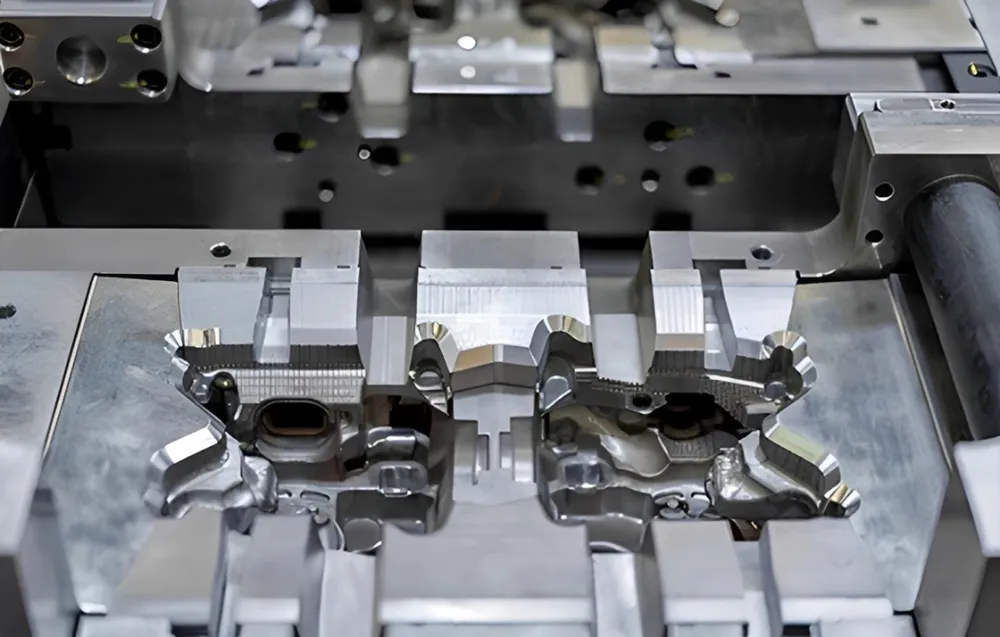
Aluminum Alloys for Die Casting
Once you’ve decided “aluminum,” the real procurement work begins—because alloy choice affects castability, scrap risk, machining time, finishing appearance, and pressure-tight potential. The same part geometry can behave very differently under A380 versus A360, or under an Al–Si–Cu family alloy, even when the supplier claims they are “equivalent.” This section explains the common alloy names you’ll see on quotes and drawings, and how to interpret them in terms of sourcing risk. You’ll also see what to lock in early (tests, finish expectations, leak requirements) to avoid late-stage surprises.
AC 46100
Key traits: A specification-style casting alloy code you’ll see in some supply chains; the exact chemistry and property targets depend on the referenced standard.
Advantages: Works well when a customer spec is strict, and you need a supplier who can certify to that exact designation.
Common uses: General industrial housings, covers, brackets—where the drawing calls the shots more than “brand-name alloy popularity.”
AC 46500
Key traits: Similar situation: a designation that’s meaningful only when tied to a specific standard and property table.
Advantages: Useful when your customer documentation already uses this code, and you want clean, compliant paperwork.
Common uses: Industrial components with defined acceptance criteria (strength, elongation, hardness, etc.) rather than “choose the cheapest common alloy.”
Watch-outs: Substitution risk is the big one. If a supplier proposes “equivalent to X,” require the equivalence basis in writing (chemistry window + properties), not just a sales statement.
ADC12
Key traits: One of the most commonly quoted die-cast aluminum alloys in Asian supply chains; often selected for its good castability and stable mass production behavior.
Advantages: Typically cost-effective for high-volume parts; usually a “safe default” for housings and covers when requirements are moderate.
Common uses: General housings, covers, motor/gearcase shells, consumer-product metal housings—parts where you want a reliable, repeatable casting.
Watch-outs:
- Surface finishing expectations: Some die-cast alloys (especially higher-silicon families) can show cosmetic variation after anodizing; if appearance matters, define finish standard early.
- Pressure-tightness is not automatic: if you need sealing (valves/pumps), you’re buying a process package (tooling + venting/vacuum + machining + leak test), not just “ADC12.”
ADC10
Key traits: Another common designation; typically chosen when the spec calls for a different balance of strength/ductility vs. castability than ADC12 (exact behavior depends on chemistry window in the referenced standard).
Advantages: Often used when the part sees more mechanical stress (fasteners, impact, assembly loads) but still needs die casting productivity.
Common uses: Industrial brackets, frames, functional housings, hardware components—especially where mechanical robustness matters more than cosmetic perfection.
Watch-outs: Treat ADC10 vs ADC12 as a spec decision, not a vibe. If the drawing doesn’t specify a priority, ask engineering to define one: ductility, corrosion environment, machining cost, or thin-wall fill—then choose accordingly.
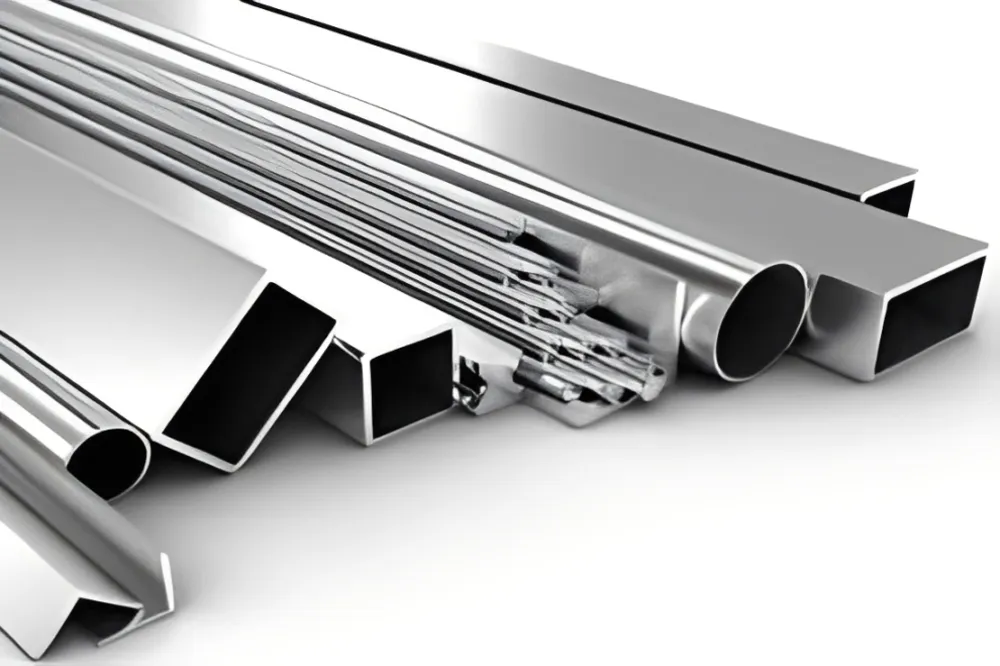
A380
Key traits: The workhorse alloy for cold-chamber aluminum die casting in many global RFQs—popular because it balances castability + mechanical performance + cost.
Advantages:
- Generally forgiving in production (helps with yield and lead time stability)
- Good all-around choice for complex housings and structural-ish parts
Common uses: Industrial housings, gearcase covers, pump covers, equipment brackets, and general machinery components.
Watch-outs: - If you need leak-tight performance, you must specify the validation method (e.g., air-under-water, pressure decay, helium) and acceptable leak rate. Alloy name won’t save you from porosity-driven failures.
- If you need a premium cosmetic/anodized appearance, define what “acceptable” means—die-cast surfaces can vary.
A360
Key traits: Often specified when you care more about corrosion performance and ductility than “maximum casting forgiveness.”
Advantages: Can be a strong option for parts exposed to harsher environments or where better elongation/corrosion behavior is desired (when produced under tight control).
Common uses: Outdoor-exposed housings, certain pressure-related housings, and industrial components where environment and durability matter.
Watch-outs: A360 is typically less forgiving to cast than general-purpose alloys, so supplier capability is critical. If a supplier offers A360 at a low price but cannot demonstrate process control, such as scrap rate history, vacuum capability, porosity inspection, or leak testing, future production delays are likely.
Al–Si8Cu3
Key traits: A silicon-copper aluminum family that usually targets a practical balance of strength + castability for functional parts.
Advantages: Good for parts that take real mechanical loads while still benefiting from die casting’s shape complexity and productivity.
Common uses: Industrial equipment components, brackets, housings, and functional consumer hardware components.
Watch-outs: Copper-containing die-cast alloys often trade some corrosion behavior for strength. If the part operates in wet/chemical environments, clarify the protection strategy (conversion coating, paint/powder coating, drainage design) and any test requirements.
Al–Si11Cu3
Key traits: Higher-silicon family behavior typically supports excellent flow/fill, which helps with thin walls and complex geometry.
Advantages: Often useful when the design has fine features and thin sections, and when you want stable fill in production.
Common uses: Complex housings, covers, intricate industrial shells, consumer hardware with detail-heavy geometry.
Watch-outs:
- Higher-silicon alloys can push machining tool wear and affect surface finishing consistency. To minimize surprises, work closely with your supplier to define appropriate machining allowances and plan finishing trials up front in the RFQ. Collaborative planning helps ensure smoother production and better final results.
- Again: pressure-tight needs process + test definition, not hope.
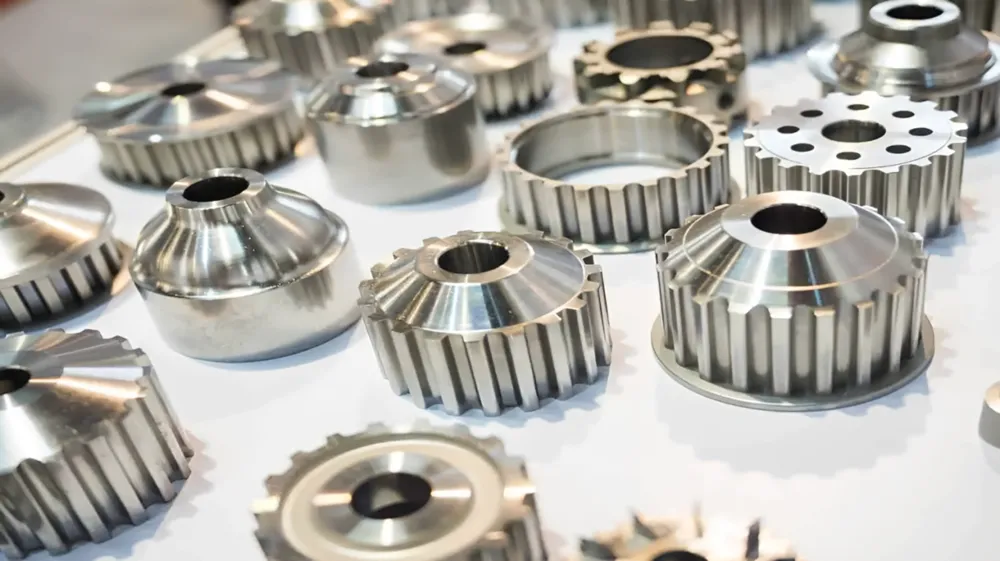
Zinc Alloys for Die Casting
Zinc alloy selection is usually about dialing in the balance between strength, ductility, surface finish, and long-run production stability. Many RFQs will be quoted with Zamak series alloys because they’re widely available and well understood in high-volume die casting. But the “right Zamak” depends on what the part must survive: wear, impact, plating, assembly loads, or cosmetic demands. Below is a buyer-friendly way to think about the main Zamak options you’re likely to encounter.
Zamak 2
Often chosen when higher strength/hardness is desired compared to general-purpose options. Procurement typically evaluates it when parts are subject to wear or load, but you still validate it against the required properties and finishing requirements.
Zamak 3
A very common “default” choice in zinc die casting due to its balanced behavior and broad availability. It’s often used when you want consistent production, a good finish, and stable process capability.
Zamak 4
Less common than Zamak 3 in many sourcing pipelines, but still appears in specifications depending on regional practices and performance targets.
Zamak 5
Commonly specified when the application needs a different balance of strength and performance versus Zamak 3. Often appears in hardware and functional components.
Zamak 7
Often associated with improved ductility and surface finish behavior in certain contexts. It can show up when cosmetic quality or forming-related robustness is at issue.
FAQ
What is the most commonly used material in die casting?
In most global sourcing, aluminum and zinc dominate die casting volume. Aluminum is the go-to for industrial housings and structural parts, while zinc is extremely common for detailed, thin-wall hardware components with high production efficiency.
How does the die casting process affect material selection?
Process and material are tied together. In practical sourcing terms:
- Hot-chamber processes tend to pair naturally with zinc (fast cycles, excellent detail).
- Cold-chamber processes are the common pairing for aluminum (and other higher-melting-point alloys).
If your part requires pressure tightness, thin walls, or demanding cosmetics, you should evaluate not only the alloy but also the supplier’s process controls (venting strategy, porosity management, shot profile consistency, and inspection capability).
What are the main differences between hot chamber and cold chamber die casting?
The key difference is how molten metal is delivered into the die:
- Hot chamber systems keep the injection mechanism immersed in molten metal—typically used with lower-melting-point alloys like zinc for speed and efficiency.
- Cold chamber systems ladle molten metal into the shot chamber—commonly used for aluminum due to its higher melting temperature and process requirements.
How do material properties affect the service life of die-cast parts?
Service life usually depends on the match between:
- Mechanical needs (load, impact, fatigue)
- Environment (corrosion exposure, temperature, moisture, chemicals)
- Functional requirements (sealing, wear surfaces, thread durability)
For example, a pump housing may “fail” not because the alloy is wrong on paper, but because porosity control wasn’t sufficient for the required sealing performance, or because surface protection wasn’t designed for the real environment.
How do I choose the right material for my die casting project?
For procurement, a reliable approach is to decide in this order:
- What is the part actually doing (load, sealing, heat, wear, cosmetics)?
- Which metal family naturally fits that job (aluminum vs zinc vs magnesium)?
- Which alloy is commonly available in your supply chain and compatible with your finishing/testing needs?
- What process controls and inspections are required to make the alloy work reliably at volume?
If you’re sourcing aluminum die-cast components for valves/pumps/housings, also define early whether you need leak testing, what leak rate is acceptable, and which surfaces will be machined—those decisions drive cost more than the alloy name alone.
Can die-casting materials be recycled?
Yes. Aluminum and zinc are widely recycled in industrial supply chains. From a sourcing perspective, the practical question is how the supplier controls recycled content to keep alloy chemistry stable and ensure consistent casting quality—especially for parts with tight mechanical or sealing requirements.