

Precision Custom Metal Casting Services
From complex geometries to tight-tolerance production runs — we deliver cast metal parts that go straight into your assembly line, no rework required.
99.6%
Inspection Pass Rate
26
Years of Experience
ISO
ISO 9001:2015 Certified
100%
In-House Control
Our Metal Casting Standards
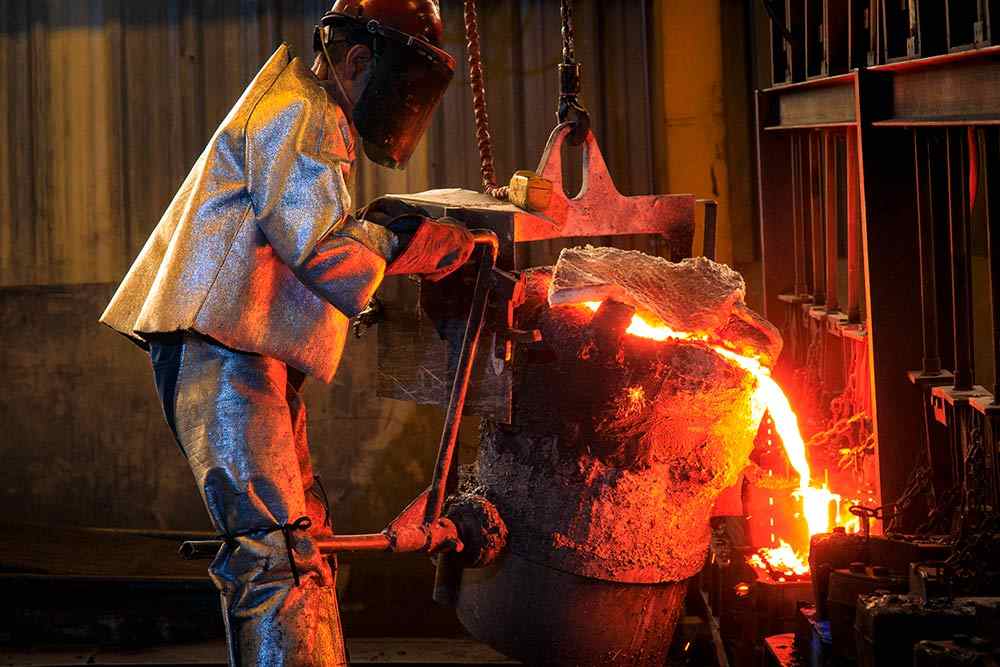
Covering all types of castings, including iron, steel and aluminium alloys, this process is suitable for complex industrial components such as mechanical structural parts, pipe fittings, valve bodies and wear
Tolerance accuracy
±0.1
mm (depending on the manufacturing process)
Minimum wall thickness
3
mm
Lead time
15–30
days (including moulds)
Materials We Cast
iron parts
Good castability and excellent vibration damping properties Suitable for pump bodies, housings and brackets
Carbon steel parts
High strength; weldable and heat-treatable, suitable for structural components and load-bearing parts
Stainless steel parts
Corrosion-resistant and heat-resistant Suitable for valve bodies and food processing machinery components
Aluminium parts
Lightweight, excellent heat dissipation Suitable for housings and heat sinks
Technical Specifications
Description
Draft angle
Minimum 1°, recommended 2°–3°
Mould hole diameter
Direct moulding hole diameter >6 mm
Hole Diameter
Cast holes >3mm
Surface treatment
Shot blasting, machining, painting, galvanising, etc. (as required)
Post-processing
Heat treatment, ageing treatment, non-destructive testing (optional)
Why FERR ?
With decades of experience in custom metal casting, complemented by comprehensive inspection and in-house machining, we ensure that every part is flawless and strictly conforms to your specific specifications.
Get Free QuoteTypes of Metal Casting
We offer three major casting processes: investment casting, die casting, and sand casting. Based on part complexity, material properties, and production volume requirements, we recommend the optimal solution that balances precision, cost, and delivery efficiency.
Investment Casting
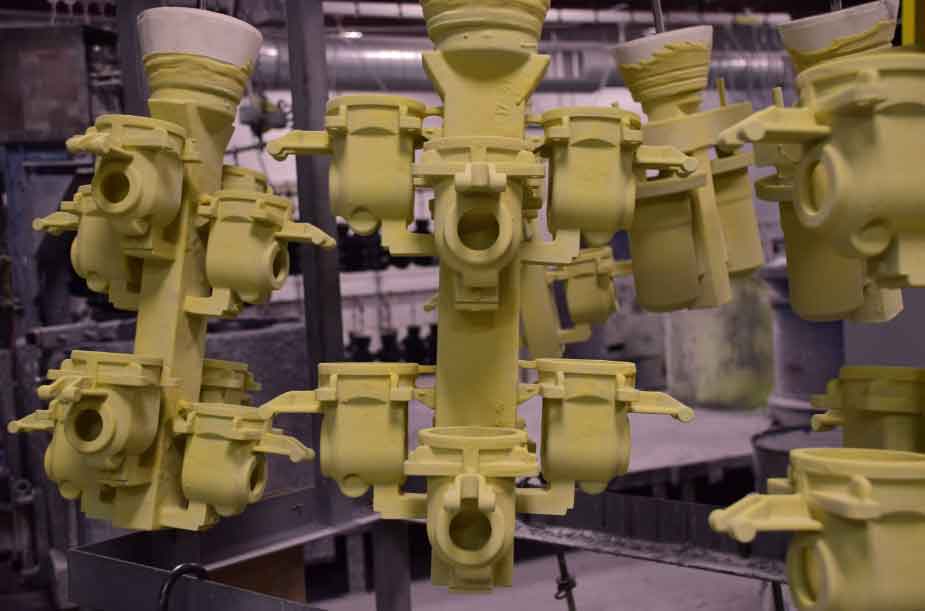
Investment casting utilizes precision wax patterns and ceramic molds to achieve net-shape manufacturing of complex, irregularly shaped parts. It delivers uniform wall thickness, a smooth surface finish, and minimal post-processing requirements, making it particularly suitable for aerospace, medical, and load-bearing structural components.
Die Casting
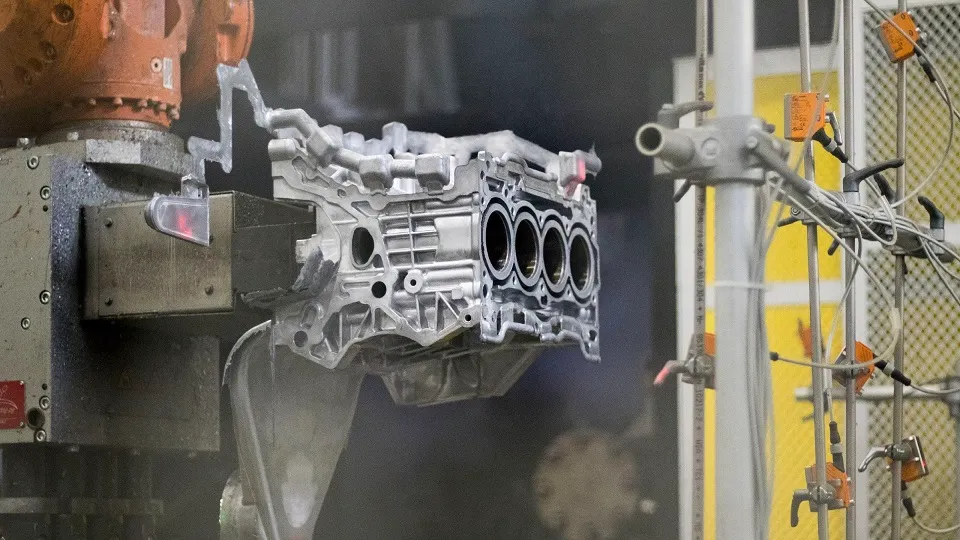
Die casting involves rapidly filling the mold cavity with high-pressure molten metal, resulting in fast forming speeds and high dimensional consistency. It is suitable for high-volume production of non-ferrous alloys such as aluminum, zinc, and magnesium, and is widely used in structural components for the automotive, electronics, and consumer goods industries.

Sand Casting
Sand casting uses silica sand as the molding material. It features low mold costs and high adaptability, enabling rapid response to production needs ranging from single-unit prototyping to medium-volume production. It is suitable for large structural components and a variety of iron-based and copper-based alloys.
Secondary Operations and Treatment of Metal Casting Services We Offer
cast metal parts Showcase
Our metal casting parts Are Engineered to Meet the Demanding Requirements of Applications Worldwide. to discuss your project requirements. Get in touch to discuss your project

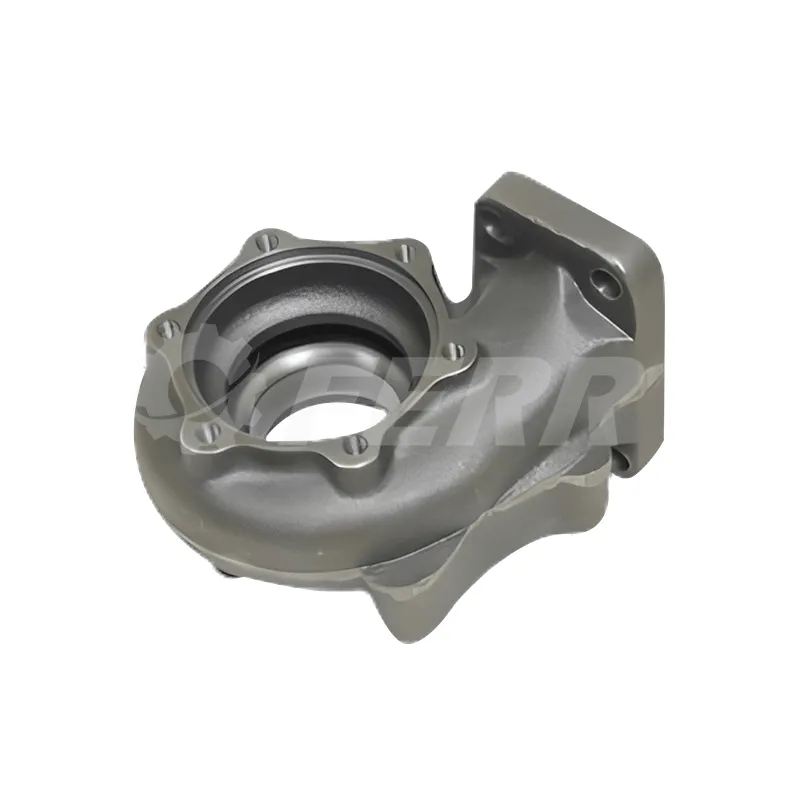
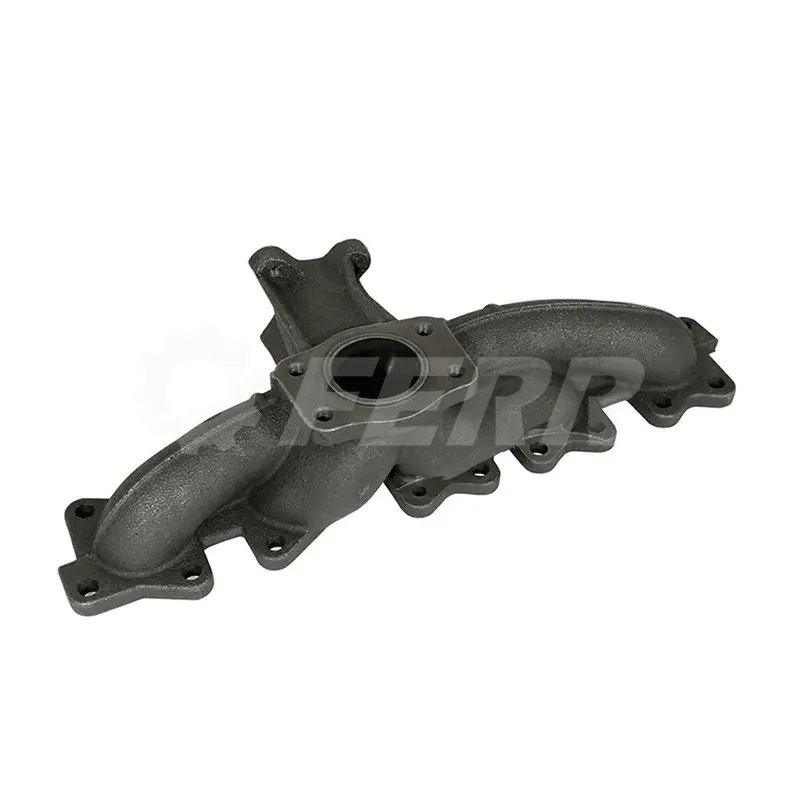
Ductile Iron Turbine Casing
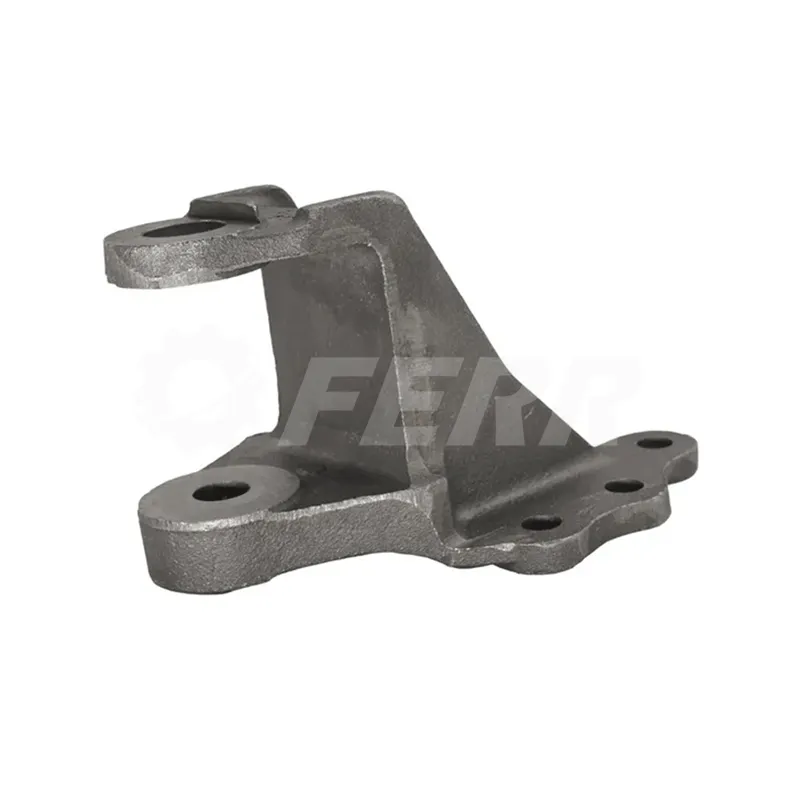
Grey Cast Iron Spring Cradle Bracket
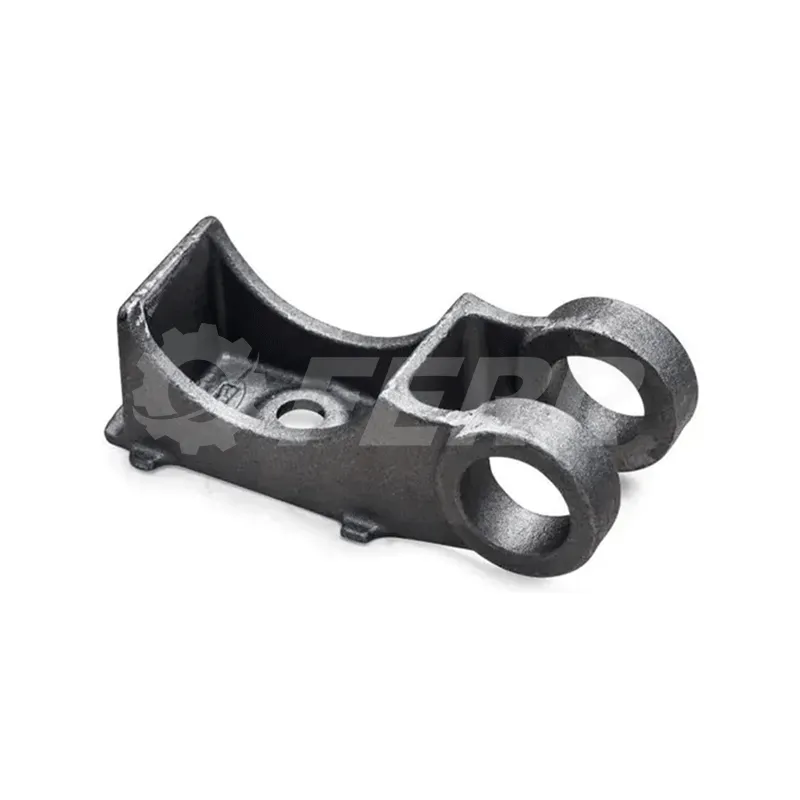
Grey Cast Iron Axle Housing Components
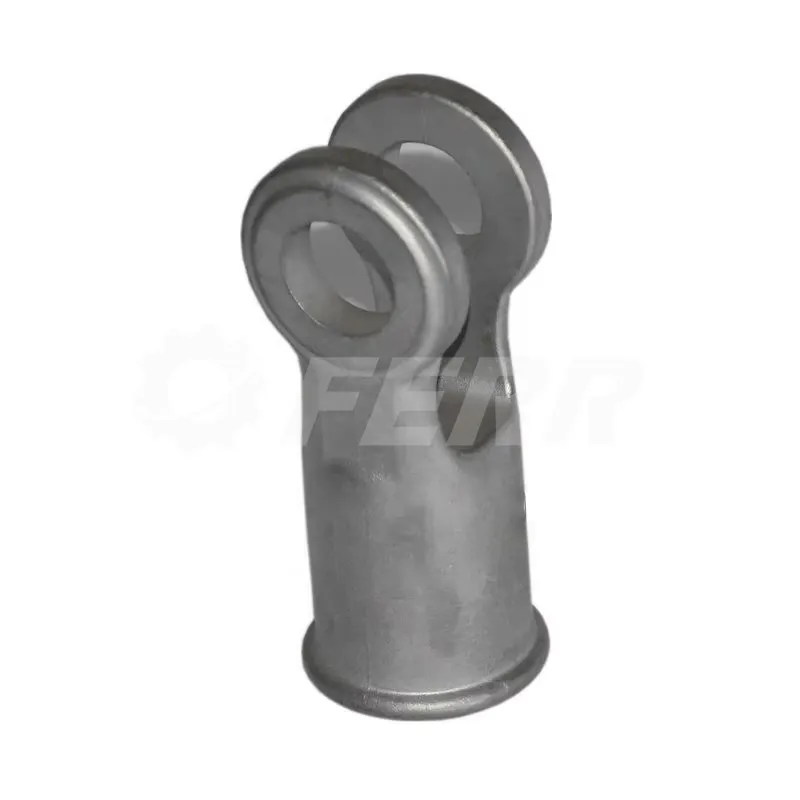
Carbon Steel Precision Cast Automotive Trailer Parts
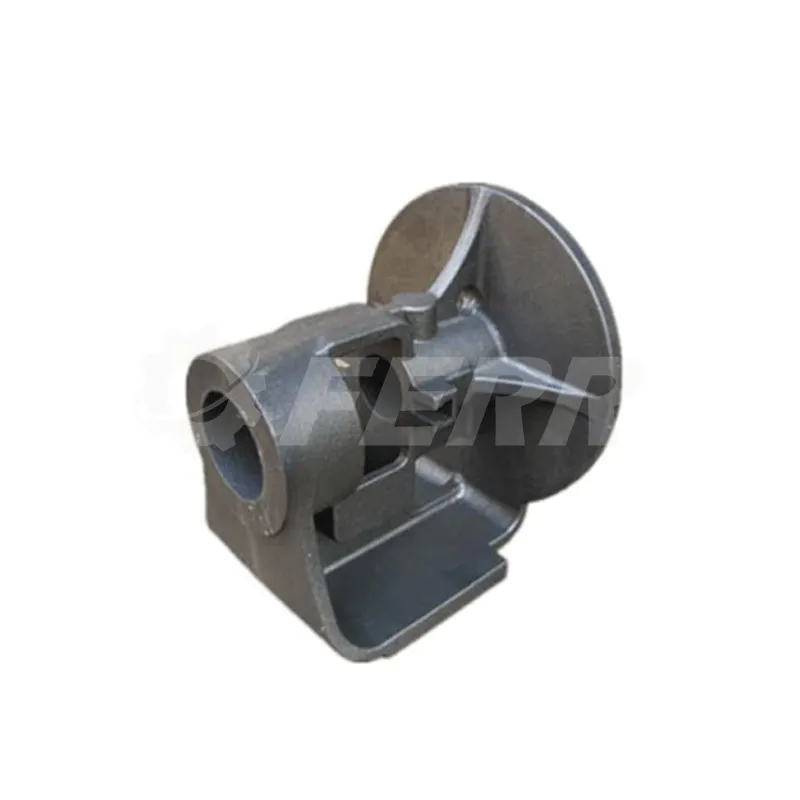
Carbon Steel Cast Base
Stainless Steel Yoke Castings
Stainless Steel Pivot Hinge Castings
OEM Grey Cast Iron Automotive Mounting Bracket
High-quality Drive Body Grey Cast Iron Castings
Grey Cast Iron Automotive Drive Shaft Components
OEM Precision Machining of Ductile Iron Automotive Parts
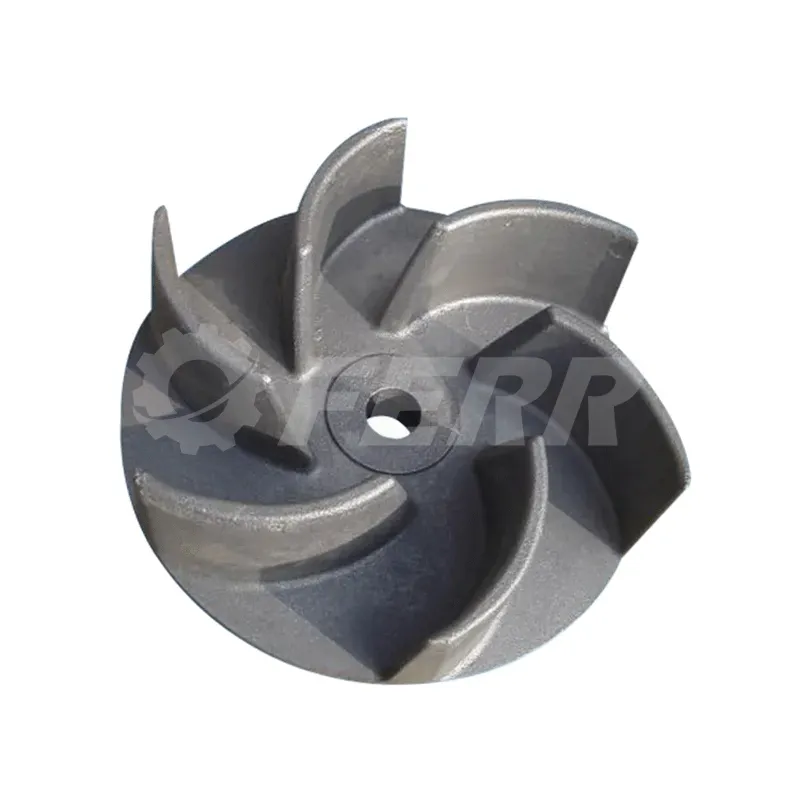
Ductile Iron Automotive Parts Impellers
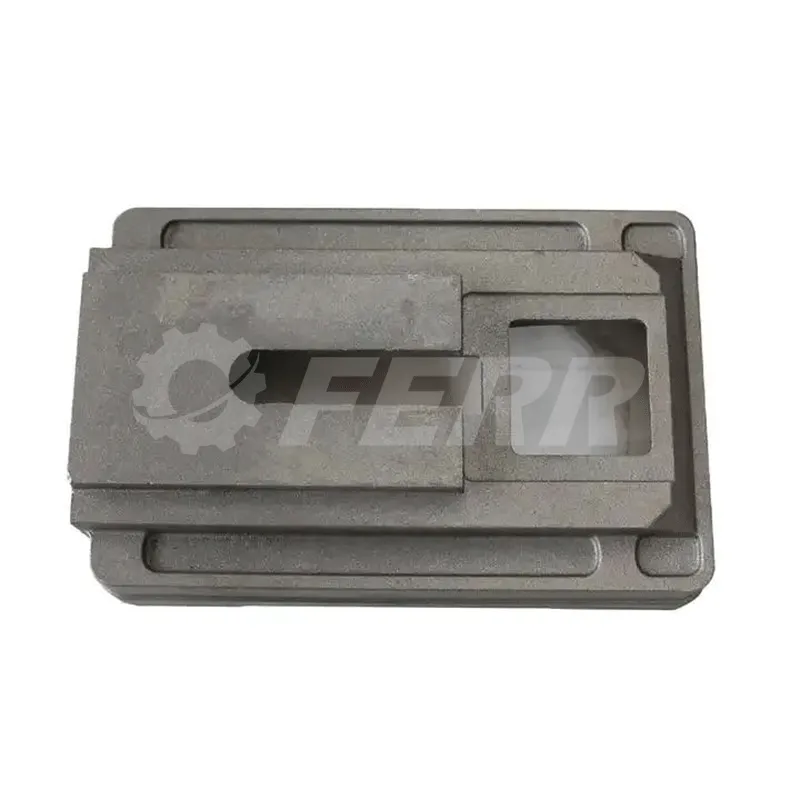
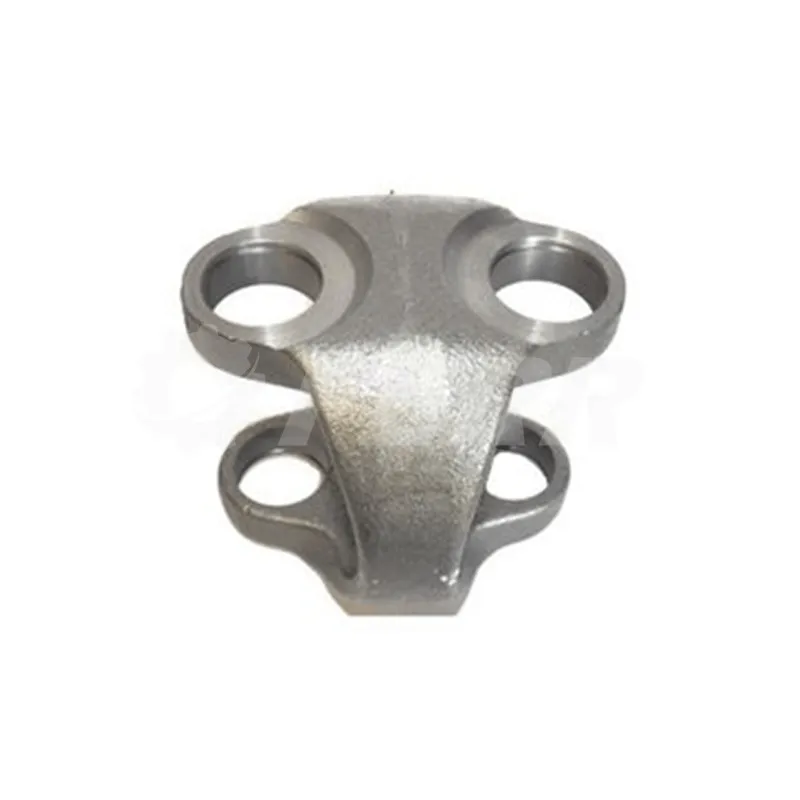
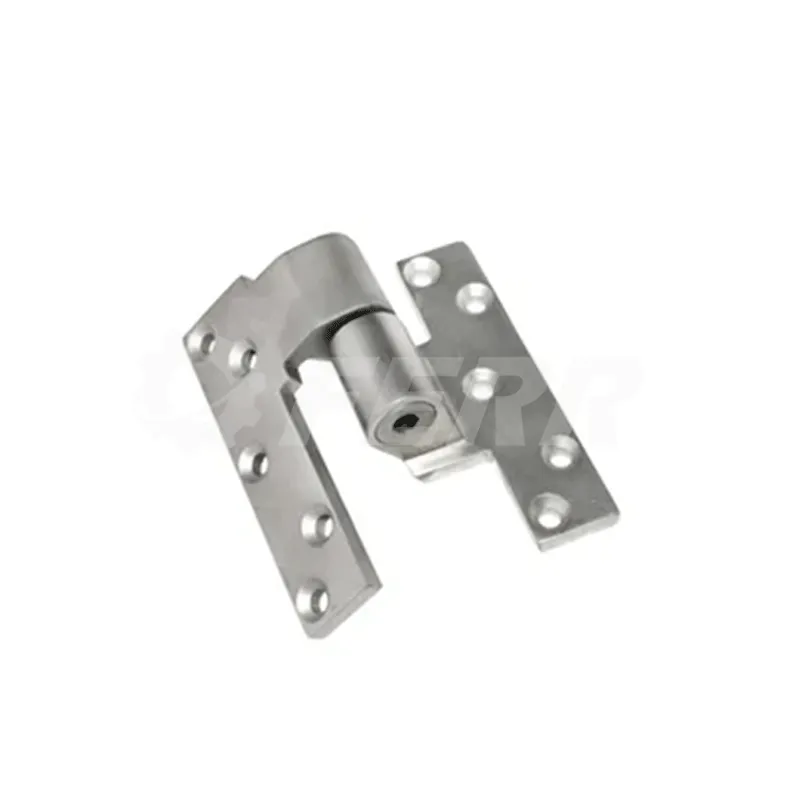
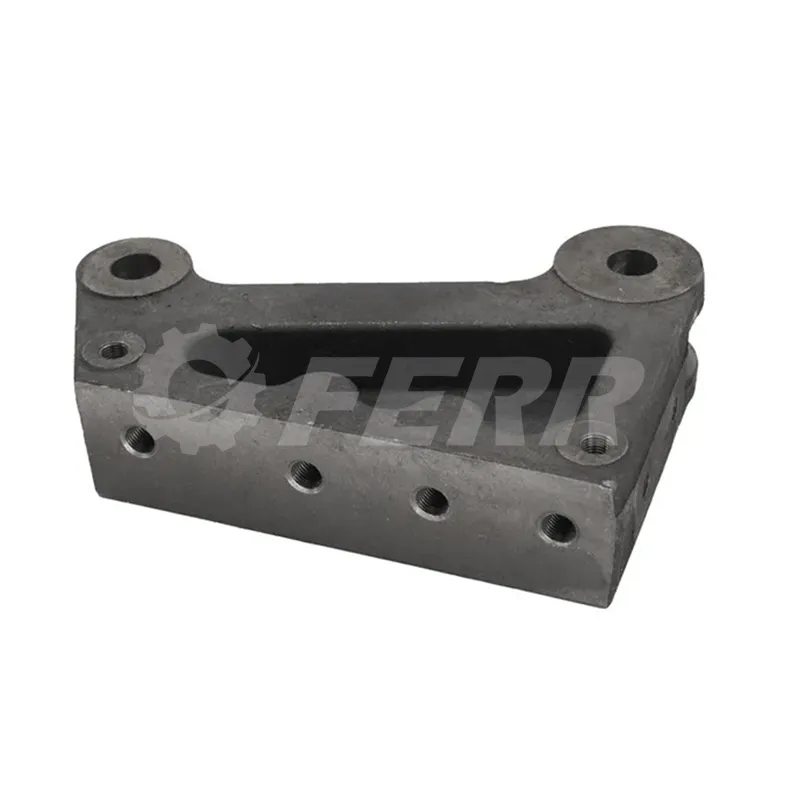

Let’s talk about your next project !
Whether you have detailed drawings or just a concept, we’re ready to listen.
I don't have complete drawings, can I send inquiry?
Yes, we can help you analyze based on your description, samples and photos.
I am not sure if you can do my parts?
Most of our customers come to us because “others say they can’t do it”.
Are you a factory or a trader?
We are a factory and have a project management team that can handle the technology, cost and delivery at the same time.
Start A New Quote
 Upload Your FilesGet a Quote Now
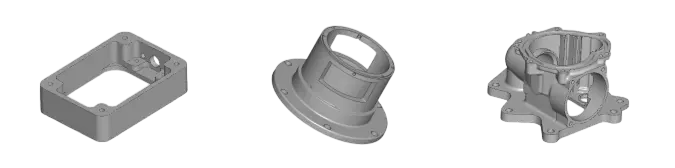
Upload Your FilesGet a Quote NowSTEP STP SLDPRT IPT PRT SAT IGES IGS CATPART X_T OBJ STL files
Metal Casting FAQ
Costs depend on the type of process, materials, part complexity, and batch size. Typically, mold development costs are a one-time investment, and the cost per unit decreases significantly as batch size increases. Die casting is suitable for reducing costs in high-volume production, investment casting is suitable for high-precision small-batch production, and sand casting has the lowest mold costs and is suitable for prototyping or small-to-medium-volume production. We offer free quote evaluations; we recommend uploading drawings or 3D files to obtain an accurate quote.
This is primarily determined by three factors: ① Precision and surface quality requirements—investment casting offers the highest precision and is suitable for complex, thin-walled parts; ② Production volume and lead time—die casting is highly efficient and suitable for runs of 10,000 units or more; ③ Material—iron-based and copper-based alloys are commonly cast using sand molds, while aluminum, zinc, and magnesium alloys are suitable for die casting. Our engineering team can provide free process recommendations based on your drawings.
Porosity and shrinkage are the most common quality issues in casting. We reduce residual gases in the mold cavity through vacuum-assisted filling, combine this with real-time spectrometer monitoring for precise control of alloy composition, and optimize the gating system and cooling rates. By addressing these factors at the process source, we maintain internal defect rates at the industry’s lowest levels. X-ray or ultrasonic inspection reports are provided for every batch of castings.
Key design considerations include: setting appropriate draft angles (typically 1°–3°), avoiding localized wall thickness that could cause shrinkage cavities, ensuring smooth wall thickness transitions to minimize hot spots, and allowing for necessary machining allowances. We offer DFM (Design for Manufacturability) review services to help you identify and optimize potential design risks before tooling, thereby saving on rework costs later.
Yes. We offer one-stop post-processing services, including CNC precision machining, deburring, sandblasting, anodizing, electroplating, and coating, ensuring that castings meet assembly or end-use requirements directly, eliminating the need for customers to seek separate secondary processing suppliers.
Service Process
1
Provide 3d drawings
Send us your initial concept or idea, and our expert team will craft precise 3D drawings to bring your vision to life.
2
Evaluate the quotation
Once we receive your drawings, we will evaluate the specifications and provide you with a competitive
3
Manufacturing
Upon approval, we begin the manufacturing process using advanced techniques and high-quality materials
4
Order delivery
Once your product is ready, we’ll coordinate a timely delivery that suits your schedule
Let's get started
- Get 3-day standard lead times on simple parts between 10 mm x 10 mm and 200 mm x 200 mm. Upload your part to see if it’s eligible.
Ready to Start Your Custom Manufacturing Project?
Upload your technical drawings (STEP, IGES, PDF) for an Engineering Pre-audit. We will provide actionable DFM insights and a transparent cost structure within 24 hours.
Start Production Quote
- All production files are secure and confidential.