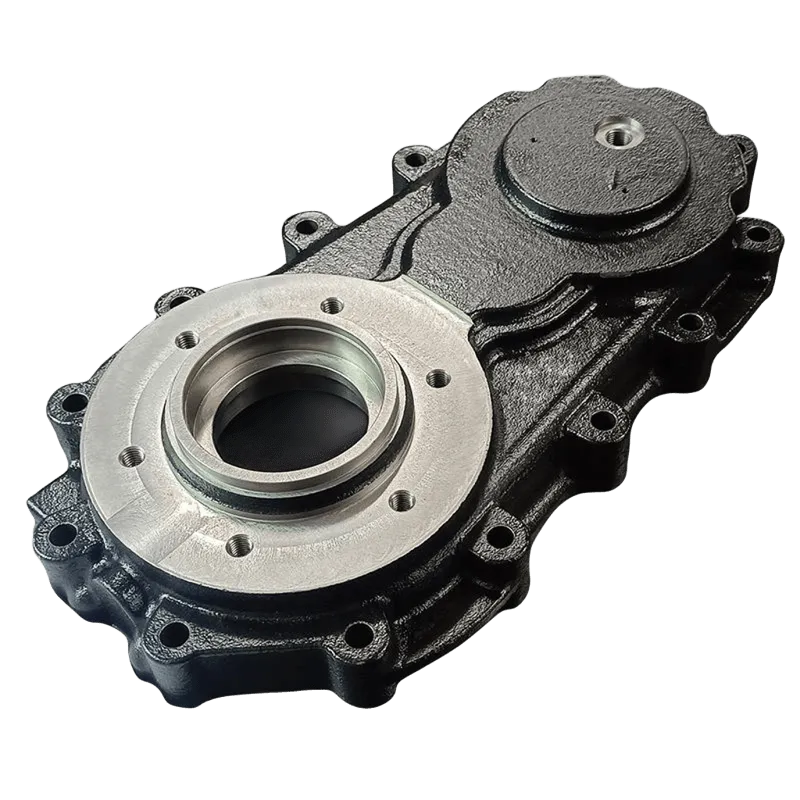



Slot milling is a technique where a rotary cutter is used to create grooves or slots in metal or other solid materials. For most shops, slot milling is really the answer for work requiring powerful, uniform cuts and clean edges.
This technique plays nice with little parts and big and can accommodate just about any sort of shape or design. Machinists choose slot milling when they need to contour surfaces with precision or when they’re carving out room for other components to nestle in.
The proper tool and setup selection prevents errors and maintains the safety of the work. To understand how slot milling forms parts and what tool/setup combinations work best, the heart of the article will illustrate more specific details and pointers for better work.
What Is Slot Milling?
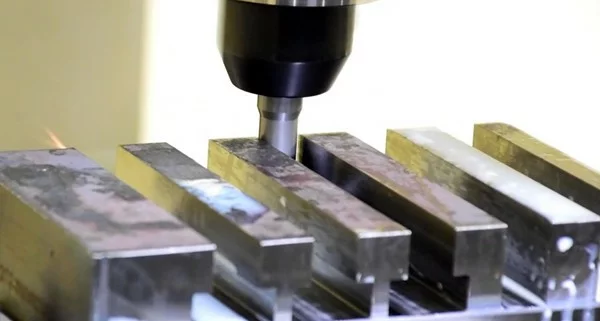
Slot milling is a machining process that employs a cylindrical cutting tool with multiple cutting edges to create grooves, channels, or slots in a workpiece. The process is popular since it allows shops to produce slots of specific shapes, sizes, and depths in various materials– from soft aluminum to hard steel alloy.
Slot milling further lends itself to versatility, machining open-ended and closed slots, along with variable-depth slots, while maintaining rigid control over tolerances and finish.
1. The Core Concept
Slot milling operates by feeding a rotating cutter along the workpiece on a straight or curved line. The cutter, typically an endmill or dedicated slotting tool, plunges into the material from one side and cuts away metal down the length of the desired slot.
Each cutting edge on the tool nicks away the workpiece, so the slot gradually forms as the tool moves forward. It is used to manufacture keyways, channels and pockets of certain width, depth and profile which is often much more difficult by other means.
The geometry of the rotating tool – for example, how many cutting edges it has, and their shape – has a big influence on the slot’s cleanliness and precision. As an example, more flutes can provide a smoother finish but can lead to tool breakage if chip removal is not handled appropriately.
Slot milling is noted for its precision and can often maintain dimensional tolerances of ±0.01 mm if setup and operated carefully. Knowing the eventual slot geometry is key—thin slots require smaller cutters, while deep grooves might necessitate specialized tooling or multiple passes to clear chips and avoid tool overload.
2. Open vs. Closed
Open slots break out of the workpiece at one or both ends, closed slots are surrounded by material. This key distinction influences not only design decisions, but slot manufacturing and tool selection.
Open slots are easier to machine because chips can escape freely, while closed slots require careful chip removal and often necessitate specialized slotting tools. Opting between open and closed slots alters the fixturing, coolant flow and tool access strategies.
For instance, open slots are appropriate in mounting rails or brackets whereas closed slots are typical in gear hubs or internal keyways. The slot type impacts the performance of the finished part.
Open slots can compromise the strength of a part if not sized properly, while closed slots tend to maintain the part’s strength more but are more difficult to machine.
3. Key Differences
Slot milling differs from face milling and end milling in that it makes deeper, more complicated grooves. End milling can shape profiles or shallow pockets, but slot milling is designed for longer, deeper cuts on a straight or curved path.
The tools themselves, such as T-slot cutters or Woodruff key slotters, are usually specific to the slot type, with custom shapes that allow them to reach deeper into the piece or cut a specialized slot.
Whereas face milling primarily smooths the surface, slot milling’s primary responsibility is to create slots with precise width and depth control. This typically translates to multiple passes or ramping to prevent tool breakage, particularly in hard materials or deeper slots.
4. Common Applications
Slot milling is critical in the automotive, aerospace, and machinery sectors. These are used to cut keyways, slots and pockets in shafts, gears, pulleys and couplings.
Slot milling makes parts mesh and slide on by holding forms to close tolerances. It’s crucial for gears and pulleys, where precise slot dimension translates into improved power transmission and extended part durability.

Essential Slot Milling Cutters
For slot milling, it does take the right cutter — the quality of your slot and the quickness with which the job is done depends on it. The variety of slot milling cutters available is extensive, every one corresponding to a particular slot form, dimension or material. Selecting the appropriate cutter aids in achieving those tight tolerances — frequently ±0.02 mm — and reduces scrap.
Cutter design — including flute count and helix angle — molds chip flow, tool life and finish. Knowing the primary types assists in aligning the cutter with the job.
End Mills
End mills, featuring 2, 3, or 4 cutting flutes, are ideal for creating deep slots, closed slots, and pockets. Their strong suits include precise control and fine finishes, which are crucial when working with various machining processes like metals, plastics, or composites. The primary work for an end mill involves slot milling operations where precision is desired, especially for intricate profiles that require a flat bottom.
There’s an overwhelming selection of end mill profiles and dimensions suited for specific machining needs. For deep slotting, opt for extended-reach models, particularly those with a variable helix, which reduces tool chatter and maintains stability. Micro-end mills, with diameters as small as 0.5–2 mm, are perfect for slot machining tasks involving small slots or complex cutting.
End mills are versatile slot cutting tools and serve as job-shop and production workhorses. A spring-pass at 5–10% radial engagement can clean up the slot and wipe away tool marks, ensuring optimal slot milling for a crisp finish.
Side-and-Face Cutters
Side-and-face cutters are a speciality tool that shines when you want to cut wide slots, or deep grooves, in a single pass. With cutting edges on both their circumference and sides, they’re able to create wide slots quickly, making them ideal for roughing large areas, or setting up grooves for additional features.
Among their offerings you’ll encounter many side-and-face cutter designs, from straight to staggered teeth, each catering to a slot or material type. They are common in high slot count applications such as gear manufacture or heat exchanger plates.
When optimized, these cutters maximize speed and minimize tool wear. However, misalignment or poor clamping increases the chance of breakage or substandard slot.
T-Slot Cutters
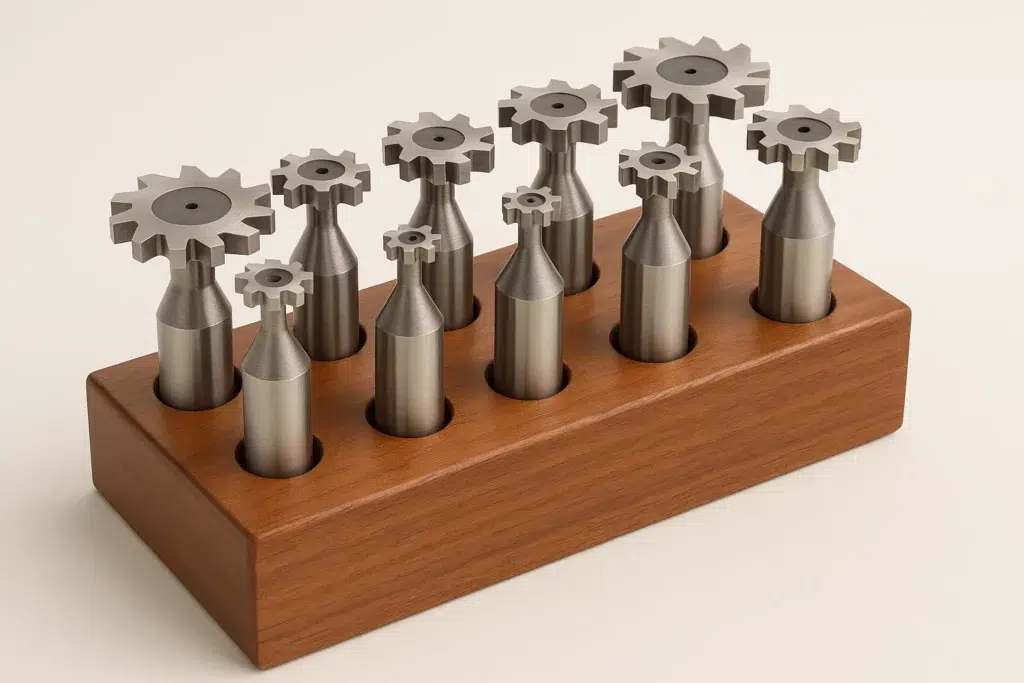
T-slot cutters, known as T-slot milling cutters, are designed to cut undercuts and create T-shaped slots in a workpiece. These slots are key in machine tables and modular fixtures and assembly lines where bolts or fasteners have to slide into place.
The cutter itself has a special profile–a narrow shank and a wider cutting head–so it can reach below the surface and shape the expansive top part of the “T”. Selecting the correct size is key to nailing slot width and fit.
High-pressure coolant, 70 bar and higher, clears chips and prevents clogging during deep cuts.
Woodruff Cutters
Woodruff cutters machine keyways—those half-moon slots for keys—into shafts and pulleys. Their round, flat profile makes them ideal for precise, tiny slots that need to line up snug with a matching key.
What makes these cutters special among other slot tools is the fact that they cut only part of a circle, not a full slot. They work best when they’re lined up just right, as a slight shift can screw up the fit and function.
Choosing Your Ideal Tool
Choosing your tool was one of the most critical decisions when slot milling. The tool you select really guides the precise way, the quickness, and the polish of your work. Your tool selection impacts not only the result, but your machine’s lifespan and your per-job expenses.
Factors such as tool diameter, number of flutes, substrate and coatings all contribute significantly to how smoothly the cutter travels through aluminum, steel plate or other material. A nice cutter allows you to maintain close tolerances and produce clean slots. The inappropriate cutter induces deflection, bad finish or even tool breakage.
To pick a good slot milling tool, follow these guidelines:
Match the tool diameter to your slot width for optimal precision.
Verify the flute count—fewer flutes assist chip ejection, more flutes indicate finer finishes.
Select the appropriate cutter material for your workpiece—harder tools for hard metals.
Think helix angle and coatings for longer tool life and smoother cuts.
Select tools with corner radii for thin plates to prevent edge chipping.
Work-holding MUST be rock solid to reduce chatter.
Employ a spiral route for narrow slots to minimize heat and increase precision.
Always leave the correct radial depth to prevent the cutter from flexing.
Knowing how these decisions connect to your milling objectives is essential. The optimal combination of tool characteristics provides you with clean slots, reduced tool wear, and a reliable process.
Cutter Material
Cutter material is the foundation of all tools. HSS is the go-to for soft metals and all-purpose. It’s tough, but it wears quicker on hard projects. Carbide is harder and holds an edge longer, excellent for hard steel or high speed passes, but more prone to chipping.
Cobalt blends impart heat strength and are good for alloys or stainless. Ceramics and cermets are optimum for ultrahigh-speed utilization on hard work, but they require stiff machines and stable work-holding. A cutter’s material determines its durability and speed.
Using the wrong material—say, HSS on hard steel—can dull the edge or break the tool. Alright, matching cutter and workpiece is the first step for good results.
Material | Properties | Application | Benefits |
|---|---|---|---|
HSS | Tough, ductile | Soft metals, general | Cheap, easy to grind |
Carbide | Hard, heat stable | Hard metals, fast cut | Long life, sharp edge |
Cobalt | Heat resistant | Alloys, stainless | Holds edge, durable |
Ceramic | Very hard, brittle | Very hard metals | High speed, smooth |
Flute Count
Flute count is the number of grooves that run up a cutter. More flutes equals more cutting edges, which can smooth a finish and accelerate cuts in softer metals. Way too many flutes cram chips, which is bad for gummy or brittle workpieces.
A 2-flute cutter evacuates chips most effectively, so it performs well on aluminum or plastics. 4-flute cutters are typical for steel, as they strike a balance between chip removal and producing a fine finish. 3-flute mills are not center-cutting, so use them only for side milling, not plunging.
If you over-flute a tough slot job, chips can wedge in, heat can build, ruining tool and work. The trick is to align flute count with workpiece and slot size. For deep slots or soft materials, less flutes work better.
For finishing or harder metals, opt for more flutes for finer. The right flute count is a trade-off—consider what chips you’ll produce and how quickly they require clearing.
Helix Angle
The helix angle is crucial in the slot milling process as it determines the twist of a cutter’s edge. A low helix (approximately 20°) is stiff and provides less lift, making it ideal for creating deep slots in hard materials like steel. Conversely, a high helix (up to 45°) excels at high-speed chip removal and offers a smoother cut, which is advantageous when working with soft or sticky metals, though it sacrifices some rigidity.
The helix angle significantly impacts chip flow and tool bite during various slot milling operations. More twist leads to lighter cuts and reduced noise, but it can also increase cutter flex. For thin steel plates or when performing slot machining near an edge, utilizing a high-helix tool can enhance chip evacuation and minimize edge chipping.
Choosing the appropriate helix angle is essential; select a low helix for tougher tasks and a high helix for quicker chip evacuation and smoother finishes. Aligning the angle with your specific machining needs can help achieve optimal slot milling performance, leading to less heat generation and improved slot quality.
Special Coatings
Coatings such as TiN, TiAlN or DLC protect the cutter from wear and heat. These thin layers reduce friction, so the tool operates cooler and survives longer. They assist in preventing chips from adhering to the edge—essential for aluminum and gummy metals.
TiN is good for steel and general purpose work. TiAlN resists high heat, excellent for dry cutting or hard alloys. DLC (diamond-like carbon) is best for goo or when you require a mirror finish. The right coating can double or triple tool life if you match it well.
For slotting, consider coatings for your workpiece and velocity. A coated tool is more expensive but pays for itself in reduced tool changes and smoother milling.

Optimizing Machine Parameters
Its slot milling, where optimizing machine parameters is key. It affects productivity, tool life and quality of machined slots. Good parameter selection decreases downtime and costs and increases production and surface finish.
Cutting conditions should be appropriate for the workpiece, cutter and type of operation. Every parameter–speed, feed, depth, chip removal, coolant–interconnects with the others. Their equilibrium governs general cutting behavior.
Speeds and Feeds
Speeds and feeds refer to spindle rotation speed (rpm) and feed rate (mm/min) in slot milling. Both directly mold slot cutting speed, slot quality, and tool life. Too high, and the cutter heats or breaks. Too low, and chips clog, wasting time and blunting tools.
Optimizing machine parameters such as spindle speed and feed rate helps fit the tool and material. For instance, alloy steels with carbide tools require a speed that provides 120–350 m/min. Feed per tooth is based on cutter size, flute count and material – typically 0.03–0.07 mm.
Chip-thinning feeds near 0.2 mm/tooth assist maintain chips transient and increase tool life. Picking the right speed and feed is important. High speed, low feed burns edges, while high feed low speed can snap flutes.
As close as possible, ALWAYS leave one tooth in the cut to hold spindle load. Use 60-70% slot width for roughing and 95-100% for 1-pass. Ramp in at 45° or more to soften shock on the tool.
Depth of Cut
The slot milling process is significantly influenced by the depth of cut, which determines the size and finish of each slot. Going too deep can lead to tool wear and vibration, while shallower cuts may slow down progress. It’s essential to split the depth: roughing should remove 70% with a strong pass, while finishing takes the last 30% with a lighter one.
When choosing the correct depth for slot milling operations, consider both your cutter and the slot dimensions. For tough materials or deep slots, opting for smaller steps can help manage radial pressure and prevent chip breakage. For thicker slots, a heavy roughing cut followed by a thin finish pass will help maintain smooth walls and prolong tool life.
In roughing, using 60–70% of slot width and depth is optimal. Light finishing passes are crucial for achieving clean edges. This balance during the milling technique helps prevent chatter and ensures slot sizes remain within tight tolerances.
Chip Evacuation
Flushing chips clears the cutting zone, prevents tool loading and protects slot walls. Bad chip removal means tool wear, bad finish and even broken cutters. In slot milling, chips accumulate quickly in the narrow slot.
Utilize the appropriate cutter geometry and a robust air or coolant blast to evacuate chips. High-pressure coolant (70 bar+) assists in pushing chips out of the slot center. Flute count counts–less flutes mean more space for chip flow, particularly in deep slots.
Chip watches often. If chips clog or discolor, adjust speed, feed or coolant flow. Maintain at least one cutter tooth participating to stabilize chip flow and prevent spindle load spikes.
Coolant Usage
Coolant plays a crucial role in the slot milling process, keeping the cutter cool, flushing chips, and enhancing the slot’s surface finish. By reducing heat, it allows bits to last longer and ensures pockets emerge clean. Selecting the proper coolant type—oil, emulsion, or synthetic—is essential based on slot size, speed, and material for optimal slot milling results.
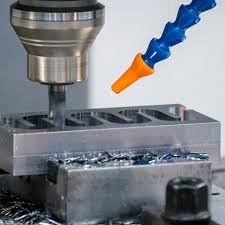
High-pressure coolant systems are particularly effective for flushing away chips. For machining applications involving hard alloys or deep slots, use coolants rated 70 bar or higher. To achieve the best results, direct the jet to the cutter’s working edge during the slot milling operation.
Always verify coolant flow and type before starting the milling techniques. Using the incorrect coolant or insufficient amounts can lead to overheating and compromise the precision slots of the tool, ultimately ruining the slot features.
Advanced Toolpath Strategies
Slot milling requires more than just primitive moves; its advanced toolpath strategies that separate the winners in speed, tool life, and part quality. These strategies, prevalent since the 2010s, assist in delivering the tighter tolerances and shorter lead times required in many industries.
Whether it be adaptive toolpaths, trochoidal milling, or another creative strategy, machinists reduce cycle times, achieve smoother finishes, and preserve tooling health. Selecting the appropriate toolpath is critical, particularly when slotting deeply or creating intricate shapes.
Ramping Entry
Ramping entry refers to taking the tool into the work at an angle rather than a direct plunge, which is crucial for optimal slot milling. This technique minimizes shock and wear on the tool’s edge, especially when creating deep slots or machining hard metals. By feeding in along a ramp, the tool remains cooler and longer-lasting, enhancing the overall milling process.
Correct ramp angles are important—a mild ramp of around 2–5° allows the cutter to bite smoothly and maintain a constant load on the tool. Too steep and the tool may chatter or break; too shallow results in wasted time during the slot milling operation.
For best results, combine ramping with long-reach end mills if slotting deeper than 3x the tool’s diameter. Whenever possible, tie ramping entry with high-pressure coolant (70+ bar) to flush chips out and prevent material packing in the cut, thereby improving machining efficiency.
Trochoidal Paths
Trochoidal paths employ a looping, side-to-side motion, enabling the tool to make light, speedy cuts. This keeps the tool cool, distributes the wear, and facilitates chip evacuation. Trochoidal milling is ideal for deep cavity slotting or Woodruff key slots, where stability and heat control are essentials.
This technique can reduce machining time by as much as 40%, particularly in hard alloys. By aligning forces in the tool’s axis, not sideways, trochoidal paths help prevent tool deflection—crucial for high aspect ratio slots.
When you’re programming these paths, it’s crucial to dial in the appropriate feed rates and stepover and employ vibration sensors that can detect chatter above 5 microns. These sensors can vary the feed rate on the fly, maintaining a smooth slot wall free of tool marks.
For maximum effectiveness, pair trochoidal milling with adaptive toolpaths and employ coolant jets to evacuate chips from the slot axis.
Plunging Methods
Plunging methods drive the tool directly down to mill deep slots quickly. This technique is stable and exerts less lateral force on the tool, resulting in reduced deflection and extended tool life. It’s a favorite for roughing deep slots where side milling is dangerous.
Finishing cuts count—plunging does a great job with a first pass, getting most of the slot completed, but a second, lighter pass cleans up the sides and enhances surface finish. For close fits, shoot for wall roughness of Ra 1.6 µm or better.
In deep slots, a variable helix end mill can eliminate chatter and stabilize the tool.

Climb vs. Conventional
Climb milling implies that the cutter is going in the direction of the feed. This provides cleaner cuts, longer tool life, and superior finishes—perfect for most slotting tasks.
Climb milling, where the tool cuts along with the feed, performs best on flexible or thin-walled workpieces. It can assist when machine backlash is an issue.
Choose the approach according to the task. Climb milling is optimal for the majority of work, but conventional carving has its role where consistency or component surface is endangered.
A Machinist’s Perspective
Slot milling is more than just creating precise slots in metal or plastic; it involves various slot milling techniques that machinists must master. They carefully consider tool choice, parameters, chip removal, and accuracy to ensure optimal slot milling results. Achieving a clean slot with tight tolerance and a nice finish is essential while working quickly and safely. As workpieces and materials vary globally, trial and education are crucial to maintain machining efficiency and achieve prime production.
Common Defects
- Tool chatter marks
- Burrs along slot edges
- Tapered or bell-mouthed slots
- Excessive tool wear
- Incomplete chip evacuation
- Slot width out of tolerance
These defects typically result from improper tool selection, incorrect speeds and feeds, or insufficient chip clearance. Chatter and bad finish can be caused by a shaky setup or a dull cutter. Burrs occur if the tool is dull or the material hard. Tapered slots can be caused by poor tool engagement or machine misalignment. Bad chip removal will clog slots and destroy tolerances.
To avoid flaws, machinists select the appropriate cutter—perhaps an endmill for a basic groove, a T-slot cutter for unique assignments or a Woodruff key cutter for keyways. They establish speeds and feeds according to material, tool type and slot size. Periodic inspections and keen blades count. Making the machine and workpiece stationary assists.
Upkeep–cleaning, checking for runout, replacing worn tools–keeps errors down. Vigilance to defect is constant. Machinists take a look at workpieces, slot measurements and early warning signs. An even maintenance schedule and quick response to problems keep tasks on schedule.

Tool Maintenance
- Inspect tools before and after each use
- Clean tools with a soft brush or air
- Check for chips, cracks, or dull edges
- Store tools in dry, cushioned cases
- Track tool life and change when needed
Proper cleaning prevents buildup and early wear. Tools get wiped down and inspected for chips or cracks. Any bit that’s dull or chipped gets swapped out quick! Storage counts as well—tools must be stored dry and cushioned, away from vibration or loose chips that could nick them.
How frequently you should maintain your tools varies according to the size of job and the material being used. A bustling shop audits tools every shift. A low-volume shop might do it every week. More difficult tasks, or longer bouts, necessitate more regular check-ins. This discipline saves machinists from blowouts and keeps cuts precise.
Programming Tips
Good CNC programming is a requirement. Always override feed, depth and speed to slot specs. Take advantage of a ramp angle of 45° or more to maintain a consistent tool load, avoiding shocks to the tool or machine. Multi-pass milling is typical—making the cuts in two or more passes aids chip removal and accuracy, particularly with deep slots or difficult materials.
Trochoidal and circular paths reduce heat and tool wear, allowing the slot to remain cool and clear. Code mistakes—skipping coolant, wrong feed rates, or not clearing chips—can destroy a part or tool. Simulation software acts as a dry run to catch mistakes, which saves time and money. Smart programming holds slots in spec and extends cutter life.
Safety First
Slot milling has risks: flying chips, sharp tools, and pinch points. Be sure to always wear your eye and hand protection, and hearing guards if noise is excessive. Fasten work in clamps or vises, and keep hands out of cutting parts. Be on the lookout for tool breakage and never, ever leave machines running when you’re not there.
The training continues. Machinists review safety regulations and are educated on new dangers as machines evolve. Attention and collaboration make a secure, productive shop.

Conclusion
Slot milling is known on shops and factory floors for its speed and crisp results. Choose the optimal tool, feed and speed, and use a intelligent tool path. These are the steps that transform raw stock into parts with actual value. Each decision determines the cut’s sleekness and tool longevity. Even minor adjustments can translate into less heat and less wear. Machinists witness the benefits daily—less stops, clean slots and less scrap. Remain receptive to innovation and new technology. Dig into your own run data. Pass tips to your crew or message boards. To squeeze more out of every job, keep studying and test out new techniques. Have a question or a story? Sound off below.
Frequently Asked Questions
What is slot milling used for?
Slot milling is a versatile machining technique used to create precise slots or grooves, such as keyways and T-slots, in various workpiece materials like metal, plastic, or wood.
Which cutters are best for slot milling?
End mills, slot drills, and the versatile slot cutting tool, T-slot cutters, are common for various slot milling techniques. Your ideal cutter relies on the slot width, depth, and workpiece material you’re machining.
How do I choose the right slot milling tool?
Select your slot cutting tool based on material hardness, slot dimensions, and the finish required. Carbide tools offer optimal slot milling performance for hard materials, while HSS is suitable for softer ones.
What machine parameters matter most in slot milling?
Spindle speed, feed rate, and depth of cut are key in the slot milling process. Modify these for optimal slot milling based on tool type, material, and finish to achieve the best results and tool life.
How can I improve slot milling efficiency?
Employ sharp tooling, tuned machine parameters, and adequate coolant in your slot milling process. More sophisticated slot milling techniques can minimize cycle time and maximize tool life.
What are advanced toolpath strategies in slot milling?
Helical ramping and trochoidal milling are advanced slot milling techniques that reduce tool load, evacuate chips better, and allow you to slot faster and more safely.
What is a machinist’s key advice for slot milling?
Check tool and workpiece alignment prior to initiation of the slot milling process. Appropriate setup and inspection during production avoids mistakes, minimizes tool wear, and guarantees quality slots.