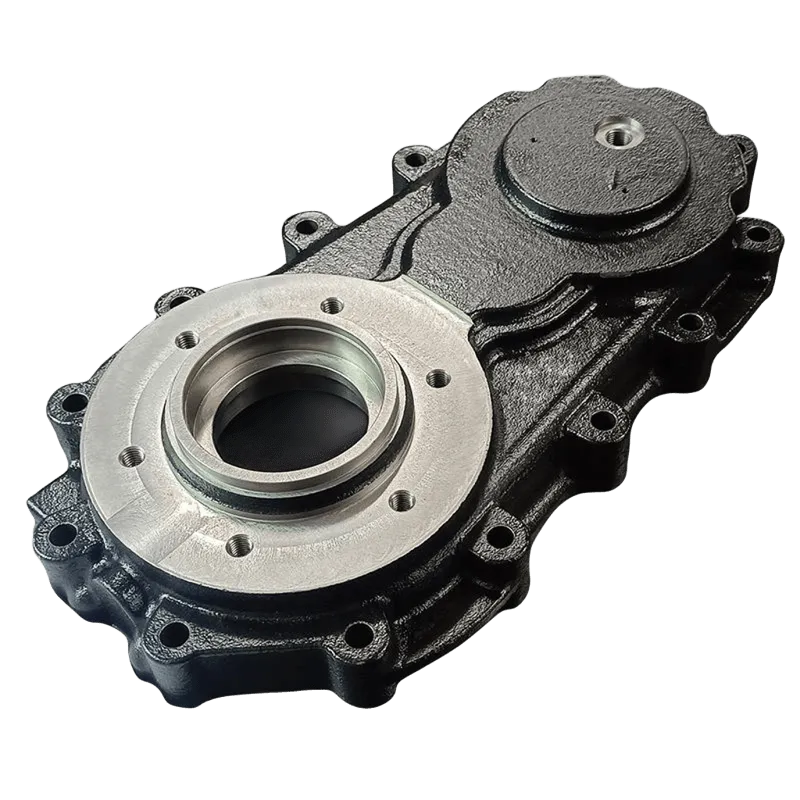


Cooking in cast aluminum isn’t automatically ‘healthy’ or ‘unhealthy.’ For most people, it’s fine when the cookware is properly made (clean alloy, good surface treatment) and used normally. The real risk isn’t the word aluminum on the label; it’show reactive the cooking surface is andwhether the product is low-quality or contaminated, like lead in some imported cookware. When shopping, buy from reputable brands and look for clear labeling and certifications to ensure quality and safety.
If you want a practical rule: coated or hard-anodized cast aluminum from reputable suppliers with reasonable care is very different from bare, pitted, scratched, unknown-source cheap aluminum cookware, especially for acidic foods.
Next, to better address safety, let’s look at how cast aluminum cookware is made and why its manufacturing process matters.
How is cast aluminum cookware made?
Cast aluminum cookware is shaped by pouring molten aluminum into a mold. The “health” conversation starts here because the alloy purity, surface finish, and coating/anodizing quality determine what actually comes into contact with your food.
Smelting aluminum
Aluminum (or aluminum alloy) is melted in a furnace. At this stage, responsible manufacturers control the input material (clean ingot vs. mixed scrap) because contamination risk rises when the feedstock is inconsistent, especially in informal production using scrap metals. Many manufacturers use X-ray fluorescence (XRF) scans or verify certification numbers as part of their safety protocols.
Mold casting
Molten aluminum is poured (or injected) into a mold to create a pan, pot, or wok body. Casting gives cookware its common selling points: thick walls, even heat distribution, and a stable shape.
Cooling and solidification
The casting cools and solidifies. Cooling rate affects grain structure and can influence durability (warping resistance) and surface quality.
Surface treatment and preparation
After demolding, the cookware is trimmed, machined, polished, and cleaned. This step matters more than people think: rough, porous, or poorly cleaned surfaces are more likely to hold residues and degrade faster.
Surface coating or anodizing
Most “everyday” cast aluminum cookware you see in the market is not meant to be bare aluminum. Manufacturers typically add one of these barriers:
- Nonstick coating (often PTFE-based)
- Ceramic-style coating
- Hard anodizing (thickened aluminum oxide layer)
These layers reduce reactivity and the chance of metal migration into food, especially with acidic or salty cooking.
Quality assurance and safety procedures
Serious manufacturers use checks such as coating thickness control, adhesion testing, and heavy-metal screening. This isn’t just marketing talk. For example, a 2021 Food and Drug Administration alert highlighted recalls of certain imported cookware items for leaching lead, which poses a significant health risk compared to normal aluminum exposure.

Main advantages of cast aluminum cookware
Cast aluminum is popular because it solves everyday cooking problems without high price tags.
- Fast, even heating: Aluminum transfers heat efficiently, and cast construction helps spread that heat across the base. Picture preparing dinner after a long day; cast aluminum cookware sears chicken breasts to a perfect golden brown in just seven minutes, making weeknight cooking swift and satisfying.
- Lightweight vs. cast iron: Easier to lift, wash, and store.
- Good shape stability: Thicker cast walls resist warping better than thin stamped aluminum.
- Works well with modern surfaces: Coatings or anodizing make it easier to clean and less reactive.
The benefits of cast aluminum cookware — why do people pay attention to cast aluminum cookware?
People notice cast aluminum because it hits a sweet spot: performance close to heavy cookware with the convenience of lightweight cookware.
A realistic buyer psychology version:
- You want even browning, but don’t want to deadlift a cast-iron skillet every morning.
- You want easy cleanup, but don’t want a fragile ultra-thin pan that hotspots.
- You want cookware that behaves predictably on a busy weekday—cast aluminum usually does.
The internet often resurfaces anxiety about metals in cookware. Some of that is legitimate since lead contamination is real, but some is myth inflation. The only sane approach is to separate normal aluminum exposure from contamination or misuse.
Disadvantages of cast aluminum cookware
Cast aluminum isn’t magic. Common trade-offs:
- Bare aluminum is reactive: Acidic or high-salt foods can increase metal migration, especially with long cooking times. Coatings can wear. Scratches, overheating, abrasive cleaning, and dishwashers shorten the coating’s lifespan. To extend the life of your cookware, use gentle utensils and hand-wash rather than the dishwasher. These care tips help protect your investment and keep you safe.
- Not all “cast aluminum” is equal: Cheap, unknown-source items can have inconsistent alloys or contamination risks (notably lead in some cases).
- High-heat limits for many nonstick pans: Overheating can damage coatings and degrade performance over time.
What coatings are commonly used?
You’ll most commonly see:
- PTFE nonstick coatings
Great release, easy cleaning. The key is quality and proper use (avoid extreme overheating; follow the maker’s instructions). - Ceramic-style coatings (sol-gel, “ceramic nonstick”)
Often marketed as more natural, but the real story is performance: they can be great early on, but some lose nonstick behavior faster depending on formulation and care. - Hard-anodized surfaces
This creates a thicker oxide layer that is generally less reactive than bare aluminum and often more durable. Evidence and public health guidance indicate that acidic cooking increases leaching from reactive aluminum surfaces, underscoring the importance of barriers. Are you using cast aluminum cookware?
Avoid—or at least rethink—cast aluminum cookware when:
- It’s bare aluminum, and you frequently cook acidic foods (tomato sauces, vinegar-heavy dishes, citrus reductions), especially long-simmering.
- The surface is badly scratched, pitted, or flaking (coating failure = performance drop + more contact with the underlying metal).
- You can’t verify the source (no brand, no labeling, questionable import channel). This matters because some aluminum/alloy cookware has been found to leach lead in testing. To avoid these risks, consider purchasing cookware from trusted, reputable brands or look for third-party safety certifications, such as NSF International, Underwriters Laboratories (UL), or others, that ensure the product’s quality and safety.
- You have severe kidney disease and have been told to limit aluminum exposure (the body clears aluminum primarily through the kidneys).

What’s the difference between cast aluminum and regular aluminum?
In plain language:
- Cast aluminum cookware: shaped by pouring molten metal into a mold. Usually thicker, heavier than thin aluminum pans, and more dimensionally stable.
- “Regular” aluminum cookware often means stamped/spun aluminum: made from sheet aluminum pressed into shape. Often thinner, lighter, and more prone to hotspots and warping.
Health-wise, the bigger distinction is rarely cast vs. stamped. It’s the surface condition: bare vs. coated or anodized, and the feedstock.
Under what circumstances might cast aluminum products have safety hazards?
1) Heavy metal contamination (lead)
Some aluminum/alloy cookware—especially certain imported items—has been flagged for potentially leaching lead. That’s a serious hazard, and regulators have issued specific warnings and lists of products/brands.
Peer-reviewed research also documents that some aluminum cookware (particularly in settings where cookware may be made from scrap metal) can release lead during cooking simulations.
2) Highly reactive, uncoated aluminum + acidic cooking patterns
Public health guidance notes that frequently cooking acidic foods in aluminum pots may increase aluminum exposure compared with other materials, even if levels are generally considered safe for most people.
3) Coating breakdown and misuse
A pan with a damaged coating isn’t automatically “toxic,” but it is degraded equipment: worse cooking, more sticking, more abrasion during cleaning, faster failure. Replace it when the cooking surface is no longer stable.
How many grams of aluminum are too much?
You’ll see safety agencies talk in mg of aluminum per kg of body weight per week (because people differ in size).
Two widely cited reference points:
- EFSA (Europe): Tolerable Weekly Intake (TWI) of 1 mg/kg body weight/week.
- JECFA (FAO/WHO): Provisional Tolerable Weekly Intake (PTWI) of 2 mg/kg body weight/week for aluminum from food sources.
To translate that into “grams” (just to make it feel real):
- 70 k70 kg adult: 70–140 mg/week = 0.07–0.14 grams/week, depending on which reference you use. For perspective, 140 mg is about the weight of half a small paperclip, which helps put these numbers into perspective. kg child: 20–40 mg/week = 0.02–0.04 grams/week.
Two important caveats:
- These values are about total intake from all sources (food additives, background diet, etc.), not “how much comes from your pan.”
- “Tolerable” doesn’t mean “ideal,” and it doesn’t mean you should aim for the limit. It’s a risk-management threshold.

Comparison with other cookware materials
Cast aluminum
Pros: fast, even heating; lighter than cast iron; affordable; great when anodized/coated.
Cons: Bare aluminum is reactive; quality varies widely; contamination risk exists in low-quality products.
Stainless steel
Pros: durable; good for acidic foods; stable surface; easy to verify quality by reputable brands.
Cons: can stick more; can have hotspots in thin pans unless multi-ply.
Cast iron
Pros: excellent heat retention; can last generations.
Cons: heavy; needs seasoning; reacts with acidic foods (not dangerous in normal use, but affects taste/seasoning).
Copper
Pros: elite heat responsiveness.
Cons: expensive; often requires lining; maintenance.
Polytetrafluoroethylene (PTFE)
Pros: very nonstick; easy cleanup; reduces need for heavy oils.
Cons: performance depends on coating quality and user behavior (overheating or abrasive use shortens lifespan).
Ceramic coating
Pros: smooth cooking surface; often handles moderate heat well; many people like the feel.
Cons: Nonstick performance can fade with time, depending on formulation and care.
Safety and protection recommendations
If your goal is “cook with minimal worry,” do these boring-but-effective things:
- Prefer reputable, labeled cookware (traceable brand, clear material description).
- Avoid imported aluminum/alloy cookware from unknown sources, especially if unlabeled—regulators have specifically warned about some products that may leach lead.
- If you cook lots of acidic dishes, choose stainless steel, enamel, or well-made anodized/coated aluminum rather than bare aluminum.
- Retire pans with failing surfaces (deep scratches, pitting, flaking, persistent sticking that requires harsh scraping).
- Use gentle utensils and cleaning to preserve the surface (abrasion is how “fine” coatings die early). Cast aluminum cookware can generally be safely cleaned in dishwashers; however, it’s important to check whether the specific product is dishwasher-safe. Some coatings may degrade faster when exposed to high heat and harsh detergents used in dishwashers, so hand washing is often recommended to prolong the life of the cookware.
- Special populations: if you have significant kidney disease or a clinician has warned you about aluminum exposure, treat this as a personal medical constraint and pick lower-exposure cookware by default.

FAQ
Is cast aluminum cookware good to use?
It can be. If it’s well-made and properly finished (coated or anodized), cast aluminum is practical: it heats evenly, offers good stability, and is easy to handle. If it’s uncoated and reactive, or from an unknown source, it’s a different story—then you’re relying on luck (and luck is not a safety strategy).
Is cast aluminum cookware suitable for everyday cooking?
For most households, yes—especially coated/anodized cast aluminum. Everyday safety comes down to surface integrity and usage habits (avoid extreme overheating on nonstick; don’t use metal tools on the coating; don’t keep using a pan whose surface is clearly failing).
Will cast aluminum leach into food?
It can—more so with acidic or salty foods and longer cooking times, and especially if the surface is bare or degraded. That said, public health guidance notes that aluminum levels from foods cooked in aluminum pots are generally considered safe for most people, while still acknowledging that acidic cooking patterns can increase exposure.
When should you replace cast aluminum cookware?
Replace it when:
- The coating is flaking or peeling,
- The surface is deeply scratched/pitted,
- You’re forced into aggressive scraping to cook normally,
- Or the pan is from a source you no longer trust (especially if it resembles products listed in regulator warnings).