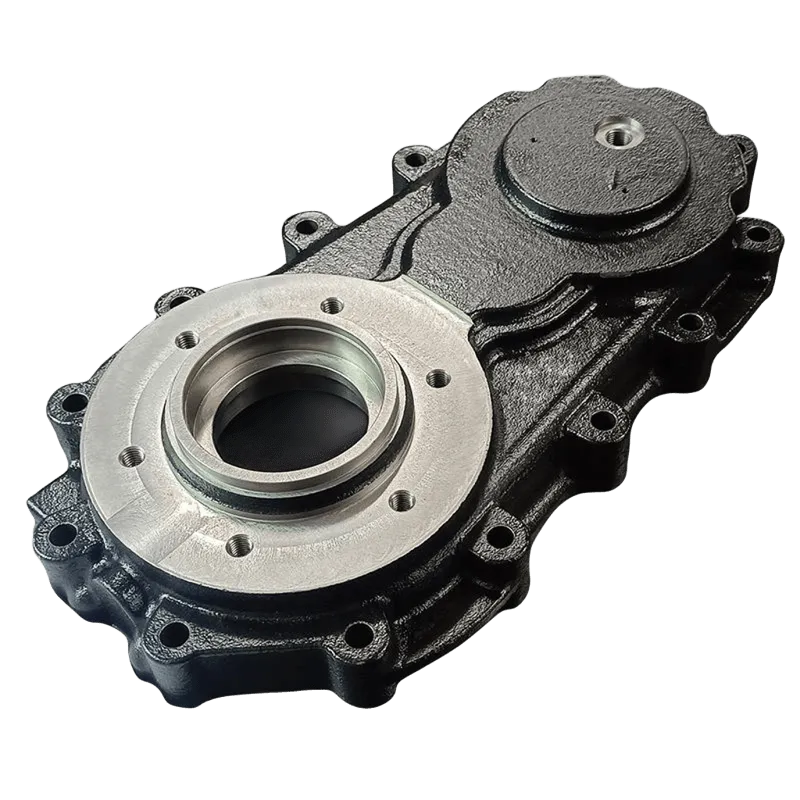

Key Takeaways
- Rugged agricultural machinery parts fuel equipment during critical seasons and preserve farm profits by reducing downtime and protecting crops. A relationship with seasoned manufacturers ensures reliable field performance and streamlined harvest.
- Check out a manufacturer’s history, product lines, and ISO, ASME, and agricultural standards certification to mitigate risk. Validate responsive customer support and parts availability for quick resolution during critical field windows.
- Focus on engineered materials and corrosion-resistant coatings for gears, bearings, and springs to help extend service life in rugged environments. There is a need for complete material traceability to stabilize quality and allow for predictable maintenance cycles.
- Demand manufacturing integrity with precision machining, in-process inspections and batch traceability. Employ prototyping and metrology-driven validation to validate fit, tolerance and durability prior to volume orders.
- Look for manufacturers that have a powerful customization capability and a technological advantage, such as CAD/CAE, automation, IOT-ready components, and predictive maintenance features. Use rapid prototyping and pilot runs to reduce risk for custom tractor, harvester, and attachment solutions.
- Evaluate global supply-chain resilience, sustainability, and after-sales infrastructure like training, maintenance manuals, and express logistics. Select partners deploying research and development and scalable capacity for future needs such as autonomous, electric, and precision agriculture systems.
An agricultural machinery parts manufacturer provides precision components for tractors, harvesters, planters, and irrigation systems, designed for extreme-duty cycles and field grit. Buyers demand ISO and OEM-grade metals, precision tolerances, and coatings that defend against wear, dust, and moisture. Critical needs involve CAD-backed customization, PPAP documents, traceable batches, and spare parts support with short lead times.
To inform sourcing, the following sections discuss material selection, sealing options, surface finishes, test data, certifications, and total cost of ownership.

The Heart of the Harvest
During peak season, when crops are at their best, workdays stretch longer, and even minor glitches can lead to significant losses in harvest and revenue. In this crucial time, agricultural equipment parts manufacturers play a vital role. Their design, materials, and support influence uptime, throughput, and farm margins, whether it’s wheat in June or maize in October, showcasing the importance of high-quality components in the agriculture industry.
Advocate for quality-first procurement decisions based on Total Cost of Ownership (TCO) rather than initial price. Emphasize the critical importance of:
Certified fibers and processing instead of generic. Right in the heart of the harvest, a busted combine chain, feeder house bearing or hydraulic hose can bring a fleet to a standstill. ISO and ASME compliant heat treatment, traceable steel grades and API aligned pressure parts matter since fatigue and wear are not linear.
A cheap sprocket with inferior case depth may pit after 80 hours. A certified part with a controlled hardness profile runs over 400 hours, maintains tension of the belt and safeguards neighboring components. When rain looms or pests surge, that dependability keeps heads in the field and grain off the ground.
Proven track records and technical support versus lowest-bid suppliers. Experience in the field, including mean time between failures, wear rates in sandy loam, and seal life in abrasive maize dust, forecasts harvest uptime far better than a price sheet.
Having a partner with on-call engineers who can check chain pitch tolerance or overnight recalibrate a gearbox backlash can save a season. In season, farmers are deadline driven, and service that fixes a belt tracking problem in hours, not days, is valued more than a discount.
Think of it as preventive maintenance and lifecycle management rather than reactive repairs. Construct schedules with service intervals based on load and environment, not simply hours. Trade knife guards and rasp bars prior to shatter loss escalating. Monitor parts consumption and failure profiles. Apply condition-based triggers, such as vibration on straw choppers and thermal spikes on hydraulic pumps, to plan changeouts. The heart of the harvest is not the time to take the gamble of a bearing with spalled raceways.
Tailor-made engineering instead of off-the-shelf products. Soil abrasiveness, crop moisture, and residue loads are all different. Hard-facing profiles, polyurethane versus nitrile seals, or upgraded bushing alloys tuned to local sand or chaff can cut wear by twenty to forty percent.
Custom auger flight thickness and optimized impeller vane angles enhance throughput and minimize grain damage, increasing effective yield when timing is tight and weather risk escalates.
Local stock and technical assistance versus remote providers. Less waiting. With cutter bars, idlers, and cylinder kits stocked within 200 kilometers, plus technicians who know their regional crops and peak seasons, we keep machines running when harvest is like a festival and community events and every hour counts.
Avoid compromises: do not relax material specifications, do not source from non-certified shops, do not ignore fit and compatibility, do not overlook long-term spare plans, and do not rush awards without a technical review covering total cost of ownership, certification, and integration.
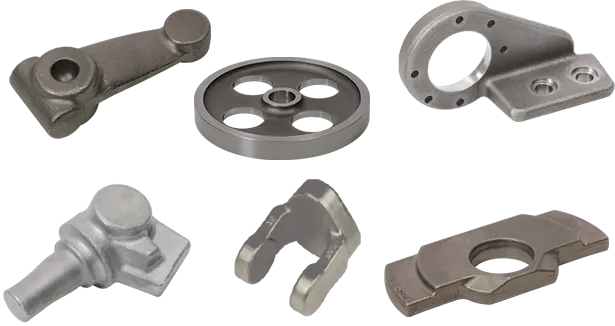
Evaluating an Agricultural Machinery Parts Manufacturer
It’s an evaluation of TCO, supplier credibility, and operational fit across agricultural equipment parts, including tillage, harvesting, and tractor attachment lines under variable farm income cycles, weather swings, and shifting regulations.
1. Material Science
Access innovative material selection for abrasive soils, shock loads and duty cycles that oscillate from idle to peak torque. Match heat-treated alloy steels for gears, through-hardened bearing races and shot-peened springs to the load spectrum of seed meters, cutter bars and PTO drives. Corrosion is not cosmetic in fertilizer or wet harvests.
Consider stainless grades such as 17-4 PH for shafts, zinc-nickel or e-coat for linkages, and ceramic seals on slurry pumps to slow pitting and galvanic attack and to stretch service intervals in plows and harrows.
Need complete heat-lot traceability, MTRs to EN 10204 3.1, and barcodes linking each lot to forging, heat treat, and coating records. This closed loop reduces variability, facilitates root-cause analysis, and eliminates unapparent replacement that wears down existence.
Discouraging any spec downgrade to save initial cost is important because it increases total cost of ownership through early wear, downtime, and fuel waste.
2. Production Integrity
Judge process control, not brochures. Ask for APQP, PPAP, and control plans, along with Cpk data on key dimensions such as spline fit and seal grooves. Precision machining and quick prototypes confirm stack-ups before tool lock, avoiding field rework.
Demand metrology—CMM, gear analyzers (AGMA), surface profilometry, mag-particle, and dye-penetrant—so defects don’t ship. Batch tracking, NCR logs, and 8D reports demonstrate responsibility, especially in the context of agricultural equipment parts. Steer clear of vendors without ISO 9001, API/ASME where applicable or who speed quote without full prints and tolerances.
3. Customization Capability
Determine the gang can customize parts to soil, crop, and machine mix, not peddle one-size-fits-all kits.
Run a structured path: joint DFM review, finite element checks on lug stress, seal compatibility with local fuels, pilot builds, and on-farm trials over a full weather cycle.
Examples matter: Precision planting shoes for low-disturbance seeding, closed-center hydraulic manifolds tuned for variable-rate spreaders, quick-attach headers for specialty crops. Upsell: Push for rapid prototyping and pilot lots to prove fit. Cycle counts, wear maps, and fuel benchmarks help to greenlight scale.
4. Technological Edge
Seek integration with precision ag: ISOBUS-ready actuators, smart sensors, and IoT modules that log duty, temperature, and vibration for predictive service on tractors and harvesters. By incorporating agricultural equipment parts, CAD/CAE, and CAM automated cells, companies can increase accuracy and reduce lead time. AI scheduling assists in buffering raw material fluctuations and trade shocks endemic to this semi-consolidated market. Inquire about their existing technology lineup, including autonomous guidance interfaces and over-the-air firmware, which promotes sustainability objectives and complies with emissions regulations.
5. Support Systems
Evaluate farm equipment parts stock near your region, cutover plans for season peaks, and overnight lanes for wear items. Test technical depth with a live issue: misaligned header drive or CAN bus noise on a retrofitted sensor. Review training, torque charts, hydraulic cleanliness specs, and service videos to curb reactive repairs. Favor dedicated teams that commit to firm delivery windows, clear TCO pricing, and lifecycle spares so agricultural operations avoid costly downtime.
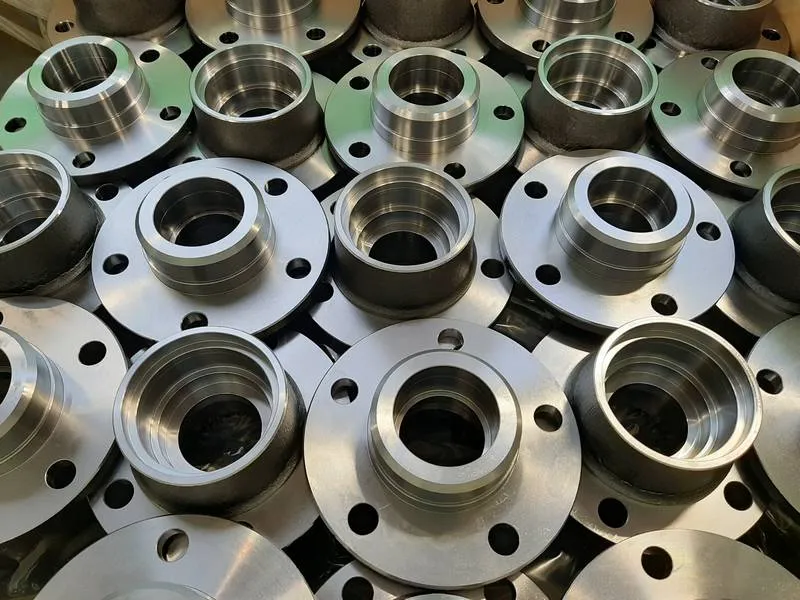
Beyond the Blueprint
This is where sourcing decisions in the agricultural industry encounter actual on-the-ground results and long-term price stability. Its goal is to shield uptime, satisfy standards, and keep TCO in line across different soils, climates, and agricultural practices.
Advocate for quality-first decisions based on TCO
Headlines prices by themselves tend to conceal risk. A gearbox seal that’s 20% cheaper but blows mid-harvest wipes out one day’s savings. TCO, on the other hand, weighs duty hours, fuel draw, service intervals, and failure modes. In harvesting and threshing systems, which made up approximately 57% of 2023 revenues, wear parts, including high quality agricultural equipment parts, need to endure grit, heat, and high-cycling loads.
We choose certified alloys, heat-treat windows, and surface finish bands that prevent fretting and pitting. Small changes, like installing a second balancing station for rotor runs and air lines to expedite cooling of cast hubs, reduced scrap, shortened imbalances, and extended bearing life in trials. The benefit appears in less fouling and purer production.
Certified materials and processes
Documented spec steels, elastomers, and coatings with batch trace ISO, ASME, and API-aligned procedures maintain tensile, hardness, and corrosion data on file. This is particularly important for agricultural equipment parts, as regulation has tightened since Tier 4 Final in 2014. With thermal loads and backpressure increasing around engines and exhaust, mounts, clamps, and seals in agriculture are experiencing harsher cycles.
Generic substitutes float in formula and carry allergen and shelf life dangers, which can affect the quality of agricultural products. We conduct PPAP, Cpk on critical features and salt-spray testing on zinc-nickel or e-coat where slurry and fertilizer exposure is standard.
Track record and technical support
Select vendors with field hours in your crops, soils, and machine platform, particularly those specializing in agricultural equipment parts. Request failure analysis notes, torque specs, and torque-to-yield guidance.
Actual farmers and contractors identify what lab tests overlook—dust entering pivot joints, hose whip near headlands, or debris accumulating in chain guards. We translate those notes into rev changes and then confirm on dyno and endurance rigs. Support teams ought to provide root-cause reports, not merely RMA numbers.
Preventive maintenance and lifecycle
Schedule wear kits and service windows pre-harvest for your agricultural equipment parts. Stock hub bearings, knife guards, sickle sections, and hydraulic seals in local depots, not overseas racks.
The aftermarket for farm equipment is huge, with independent repair shops and third-party providers. Lifecycle data, such as MTBF, grease interval, and rebuild cost, helps you know when to swap parts before they break.
Custom engineering beats one-size-fits-all
Soils vary, as do loads and moisture. We co-develop with leading equipment manufacturers and agricultural equipment parts experts to tailor hardness, tooth profile, and seal lip design for specialized platforms.
Automation and some fleets operate advanced farm equipment for autonomous tillage. That moves design to sensor-safe layouts, EMI shielding, and redundant actuation. Connections count; impulse purchases threaten mismatched sockets and CAN-bus errors.
Local inventory and logistics
Supply chain strain has limited sales in an expanding market for agricultural equipment parts. Local stock, bonded spares, and regional test cells reduce lead times and mitigate customs risk. We add services: field failure autopsies, rapid prototypes in 10 to 15 days, PPAP packages, kitting, Kanban, and VMI. While long-term demand remains solid for food needs and fleet renewal, stable logistics and steady quality protect both uptime and unit economics.
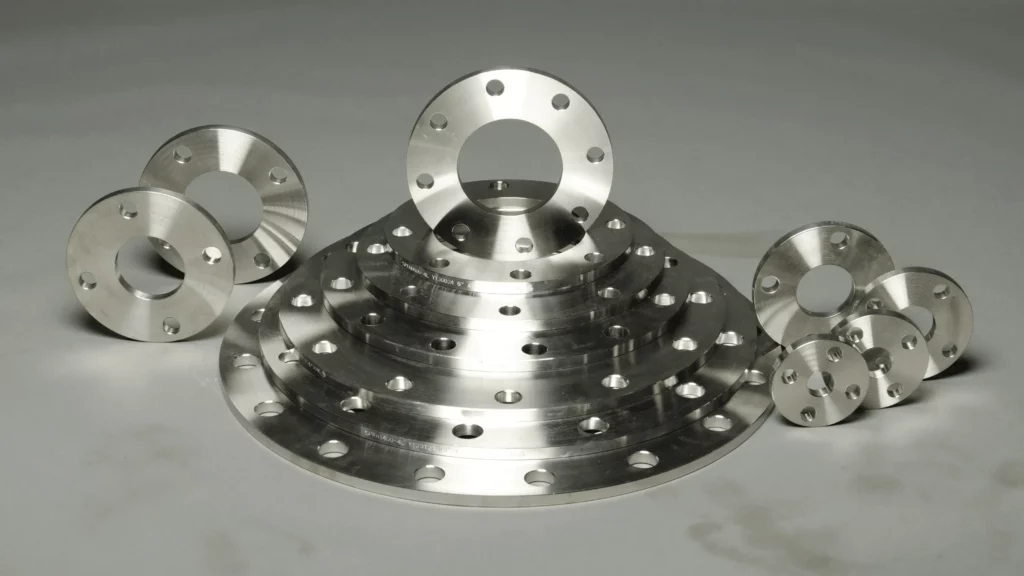
The Global Supply Chain
Consider the agricultural equipment parts that rely on a multi-tier, international supply chain, encompassing everything from steel production mills to specialized machining and logistics. Buyers focusing on total cost of ownership (TCO), uptime, and standards compliance will navigate demand swings and freight shocks more effectively than those who simply chase the cheapest bid.
Analyze the impact of global steel producers and upstream suppliers on agricultural machinery parts availability and price.
Steel plate, bar, and alloy feedstock have established costs and lead times for essential components like gear housings, axles, and drawbar pins used in agricultural equipment parts. When large mills in Asia or Europe reduce volume or change grades, the allocation of billet and coil gets tight, leading to price increases. This situation forces small and mid-size machinists to extend lead times or downgrade to generic grades.
A quality-first plan ensures that certified materials, such as 42CrMo and 34CrNiMo6, are locked in under frame contracts with dual-qualified mills. Additionally, tracking mills’ maintenance cycles, energy costs, and scrap indexes is crucial for the agricultural industry, as a chip shortage can stall production even when metal parts are ready. Using TCO can justify holding pre-qualified lots instead of pivoting to uncertified substitutes.
Address challenges like supply snarls, customs processes, and complex logistics in shipping farm equipment worldwide.
Cross-border flows encounter customs variance, port congestion, and HS-code misclassifications that cause holds. The COVID-19 pandemic revealed how factory shutdowns ripple through the agricultural industry, with recovery still uneven due to rolling shortages and surges in demand for farm equipment during planting seasons. Swings like Tier 4 and Stage V emissions regulations alter BOMs, stickers, and OEM paperwork for agricultural equipment parts. Last-minute tweaks can maroon shipments, so account for region-specific paperwork, pre-clearance, and routed INCOTERMS with transparent liability for delays. Keep a risk map by lane: ocean takes eight to ten weeks, rail takes two to three weeks intra-region, and expedited air is for critical SKUs under 50 kg. Incorporate integration tests early to prevent mismatches in metric and imperial ports, seal materials, and CAN bus firmware because covert incompatibility defects are more expensive than shipping.
Stress the need for reliable shipping services, trucking companies, and air freight for timely delivery of heavy equipment.
Heavy castings and long shafts in the agricultural equipment parts sector require carriers who have lift-gate capacity, ISO container experience, and crane-rated depots. It is essential to employ carriers that provide actual EDI visibility, time-definite SLAs, and loss/damage ratios less than 0.5%. Mixing modes is crucial: use ocean for bulk housings, rail for inland line-hauls, dedicated FTL for time-bound harvest windows, and selective air for high-value kits and ECUs during chip shortages. Matching carriers to cash flow is important, as many farmers take multi-year loans and leases to finance farm equipment parts.
Recommend evaluating the manufacturer’s global sourcing strategies and partnerships for consistent quality and supply.
Audit the supplier’s mill relationships and forge partnerships, not just focusing on machine capacity but also on their agricultural equipment parts. Request ISO/ASME/API certificates, PPAP files, and IMDS when required, along with weld and heat-treat procedures and traceability to heat numbers. Check local inventory nodes with min/max triggers and reorder cadence tied to harvest cycles, especially for farm equipment. Audit the global supply chain and verify APAC plans, as Asia-Pacific will be the fastest growing region. Walk through demand scenarios — for example, a 15 to 20 percent monthly tractor sales drop like the U.S. experienced in early 2024 — and inquire about how they throttle output without reducing quality. Turn away suppliers that offer material substitutions or cut certifications, ensuring you maintain high-quality standards.
Sustainable Farming Foundations
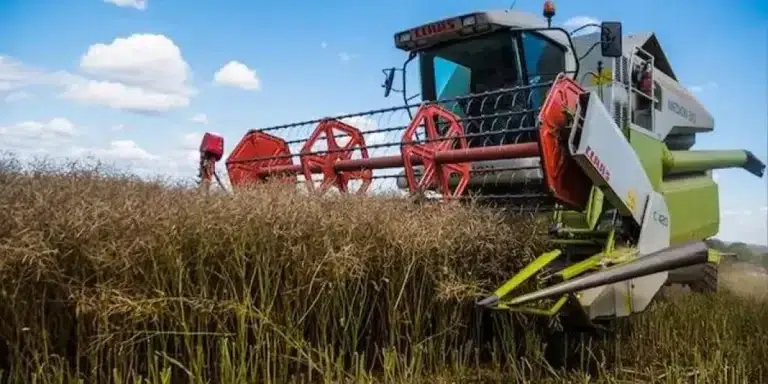
Sustainability in farm equipment starts with savvy purchasing and wise engineering decisions. Our healthy soil, clean air, and efficient water use all rely on high quality agricultural equipment parts that last, fit, and perform under real load. A quality-first, TCO-driven approach aligns performance with lower emissions, less downtime, and stable lifetime cost.
Advocate for the use of greener machines and compliant engines to reduce environmental impact in the agricultural sector
Select engines that meet Stage V/Tier 4 final with certified aftertreatment, not de-rated imports. Specify low-ash oils, EGR plus SCR systems with accurate DEF dosing, and high-efficiency air and fuel filtration to hold particulate and NOx within limits. In high-hour fleets, hybrid drive modules, start–stop alternators, and idle-management valves cut fuel burn during headland turns. Electric and autonomous platforms are gaining ground for light to mid-duty tasks, especially in the agricultural sector. Match duty cycles to battery capacity, regen braking, and field charging plans, or adopt biogas or biodiesel-ready engines where on-farm fuel is available. Do not trade down material specs to save costs, as high-quality agricultural equipment parts are crucial for durability and performance.
Highlight the adoption of sustainable materials and processes in agricultural parts manufacturing
Select components constructed from certified steels (EN 10204 3.1), traceable elastomers, and recycled-content polymers tested for UV and agrochemical resistance. To ensure high quality, opt for agricultural equipment parts that feature powder-coated housings with low-VOC pre-treatment, as these outlast solvent paint in severe spray zones. Heat-treat with controlled atmospheres and water-based coolants to reduce effluent load. Don’t buy from suppliers that are not ISO 9001 and ISO 14001. Insist on PPAP and material certs and RoHS/REACH.
Promote efficient engines and precision agriculture solutions that support soil conservation and effective field fertilization
Healthy soil is the foundation of yield, so design for less compaction with hub reductions sized for torque at lower tire pressure, wide-flotation rims, and CTIS-ready valve blocks. Precision metering with ISOBUS-rated actuators, variable-rate nozzles, and section control reduces overlap and nutrient loss, enhancing agricultural productivity. Link sensors, GPS, and flow controls to data-driven farm management, utilizing as-applied maps to fine-tune inputs and reduce waste. Pressure-compensating drips and soil moisture feedback work alongside advanced irrigation valves and corrosion-resistant fittings, which are key components in supporting water conservation. Organic tools and precision kits are becoming standard in Europe and Brazil, promoting sustainable agriculture practices.
Summary of recycling, waste reduction, and energy-efficient production
|
Initiative |
What |
Why it matters |
How to verify |
|---|---|---|---|
|
Closed-loop steel recycling |
Re-melt scrap into certified billets |
Cuts CO2 and raw ore demand |
Mill certs, recycled content % |
|
Energy-efficient machining |
VFD drives, high-efficiency motors |
Lowers kWh per part |
Energy intensity KPI (kWh/unit) |
|
Coolant and water reuse |
Filtration and reclaim loops |
Reduces wastewater load |
Discharge permits, lab reports |
|
Lean packaging |
Reusable crates, minimal plastics |
Less landfill, lower shipping mass |
Packaging specs, return rate |
|
Take-back and reman |
Core returns for gearboxes/pumps |
Extends life, saves material |
Reman warranty and test data |
The Future of Farm Parts
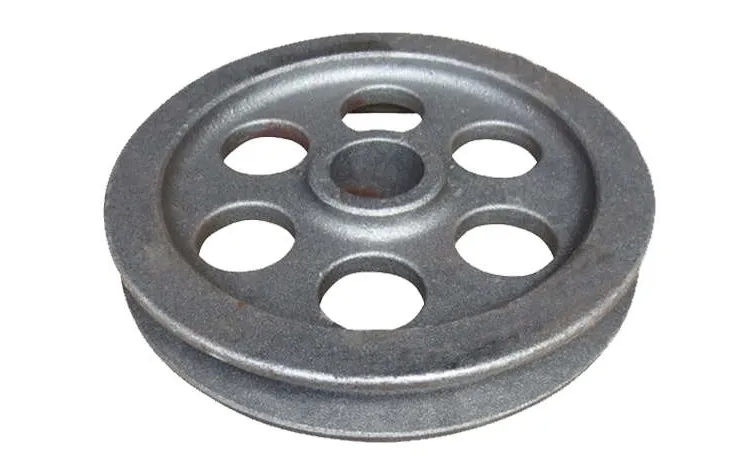
Farm equipment is evolving towards autonomy, electrification, and data-rich operations, necessitating that agricultural equipment parts strategy aligns with transparent TCO reasoning rather than merely focusing on low costs. High-quality smart sensors for real-time data and interchangeable components will enhance uptime, safety, and service costs across global fleets in the agricultural sector.
Advocate for quality-first procurement decisions based on Total Cost of Ownership (TCO) rather than initial price. Emphasize the critical importance of:
Farm Certified materials and manufacturing over generic alternatives. Spec metal chemistries, heat treatment windows and ISO/ASME/API process control cut failure rates that cause crop loss. For heavy tillage hubs and hydraulic manifolds, preference is given to EN and ASTM-traceable alloys with mill certs and full PPAP. Smart sensors rated to IP67/69K with EMI immunity stop false data that skews variable-rate applications and wastes seed and fertilizer.
Experienced firms and tech support over cheapest bid vendors. Autonomy packages rely on clean CAN bus behavior, reliable connectors, and sealed harnesses. Vendors with field MTBF data and on-call engineers abbreviate debug cycles. After-sales parts and service now compete with or out-value some new equipment categories, especially partners that publish failure analyses, torque specs, and firmware matrices.
Preventive maintenance and lifecycle management over reactive repairs. Predictive alerts from load, temperature, and vibration sensors can extend life by twenty-five percent and cut surprise failures by forty percent. Stock filter kits, seal sets, and calibrated torque tools at the farm’s edge couple with usage dashboards that flag PTO drivelines and e-traction motors’ duty spikes.
Custom engineering instead of one size fits all. High-dust rice fields, cold-soil spring till and high-slope vineyards require differing sealing, coatings and duty cycles. For next-gen electrics or CNG platforms, use defined thermal paths, IP-rated connectors and chemical resistant elastomers matched to methane and biofuel exposure. Precision planters require low-tolerance bushings and metering disks calibrated to seed diameter.
Local inventory and tech support over far away suppliers. Pre-position high-wear SKUs, such as cutter blades, scraper rings, and pump cartridges, within 1 to 2 days transit. Coordinate EOQ and safety stock to harvest windows. Remote firmware support and region-aware part number harmonization minimize downtime during peak weeks.
Discourage: Compromising on specs to save cost, sourcing without ISO/API/ASME, ignoring software and hydraulic compatibility, ignoring spares for 5-10 year assistance, and hastily making purchases with no tech vetting.
Foresee autonomous tractors, EVs, and smart farming. Productivity gains of about 30% and lower labor costs are real when autonomy meets dependable parts: sealed GNSS antennas, steer-by-wire valves, low-noise gearsets, and long-life brake pads. Anticipate more CNG-ready parts as emissions regulations continue to trend lower, with eco-friendly coatings and repurposed alloys for carbon targets.
Anticipate more need for precision parts and engine technology with next-gen equipment. Tighter tolerances on injector nozzles, e-axle bearings, and HV connectors will come as standard. Modular farm parts reduce waste and accelerate repair, while sensor kits improve dose precision and cut input use.
Guide to production at scale. Flexible cells, dual-source critical alloys and modular tooling feed supply during seasonal spikes. Keep PPAP libraries, FMEAs and lot-level traceability at your fingertips for global compliance.
Encourage farm parts R&D and digitization. Digital twins, SPC dashboards, and edge QA minimize scrap and enhance repeatability. Fund new materials for e-mobility cooling plates and low-leak valves. Build OTA secure support for sensor firmware.
Conclusion
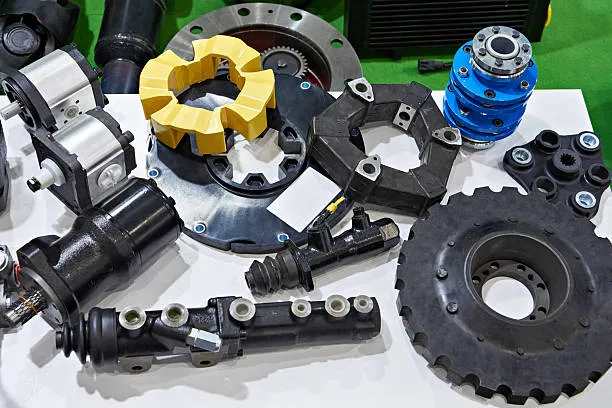
Good parts keep fields in play and costs in check. Precise specifications reduce wear and save fuel. Neat fit ups quicken service and reduce hazard. Tested cuts failure rates in peak season. Clear docs assist teams to plan stock and plan shut downs. Short lead times keep fleets on schedule.
Real wins come in the form of numbers. Reduced slip in gear sets. Longer seal life in dusty rows. Less hose leaks under heat. Faster swap time with smart kits. Simpler checkups with complete trace files.
We support that with ISO, ASME and API expertise. We conduct experiments, collect data and publish findings.
Want parts tuned for your crop, soil, and duty cycle? Forward your prints or duty profile. Our engineers will provide configuration options, quotes, and lead times.
Frequently Asked Questions
How do I evaluate an agricultural machinery parts manufacturer?
Verify certifications, materials, and test standards related to agricultural equipment parts. Examine lead times, warranty conditions, and after-sale service for farm equipment. Request traceability and compliance paperwork while checking QC and sample reports.
What quality standards should farm parts meet?
Seek ISO 9001 for quality management and ISO 14001 for environmental management in the agricultural industry. For safety, ask for CE marking if applicable. Request material certificates, hardness and tensile tests, and surface treatment specifications for agricultural equipment parts to ensure you receive dependable parts that deliver durability and uptime.
How does the global supply chain affect parts availability?
Global logistics significantly impact lead time, costs, and inventory for agricultural equipment parts. Disruptions can delay deliveries of essential farm equipment. It’s crucial to select manufacturers with multi-location warehouses and verify actual turnaround times to ensure productivity in the agriculture industry.
Why do material choices matter for durability?
Right materials for agricultural equipment parts withstand wear, corrosion, and fatigue. For instance, alloy steels, heat-treated parts, and anti-corrosion coatings prolong the life of farm equipment. Choosing the right materials cuts downtime and maintenance expenses.
What support should I expect after purchase?
Think installation instructions, technical drawings, and compatibility verification for agricultural equipment parts. A proper partner provides training, maintenance advice, and transparent warranty procedures to enhance farm equipment productivity.
Are sustainable parts worth the investment?
Yes. Tough agricultural equipment parts mean less junk and fewer substitutions. An agricultural machinery parts manufacturer has over 1.4 million manufacturers using recycled materials, efficient machining, and eco-friendly coatings that lower environmental impact. Energy-efficient production can save money, making these choices sustainable and supporting your farm’s profitability into the future.
What trends are shaping the future of farm parts?
Anticipate more sensor-ready agricultural equipment parts, predictive maintenance, and precision fit components. Additive manufacturing compresses their development cycles for farm equipment. Newer coatings and composites extend life, making for more reliable and lower total cost of ownership in the agricultural industry.