

To specify farm fencing mesh for a bulk order, identify the construction and intended use, then state the opening pattern, wire diameters, finished dimensions, coating, tolerances, packing and delivery terms. Attach a current drawing or approved sample, and ask suppliers to list assumptions and deviations beside their quote.
“Farm fencing mesh” is a useful search term, but it is not a complete product specification. A woven stock fence, welded mesh panel and twisted poultry netting can all be described that way. If suppliers have to guess which one you mean, their quotes may look comparable while covering different products.
1. Which type of farm fencing mesh do you need?
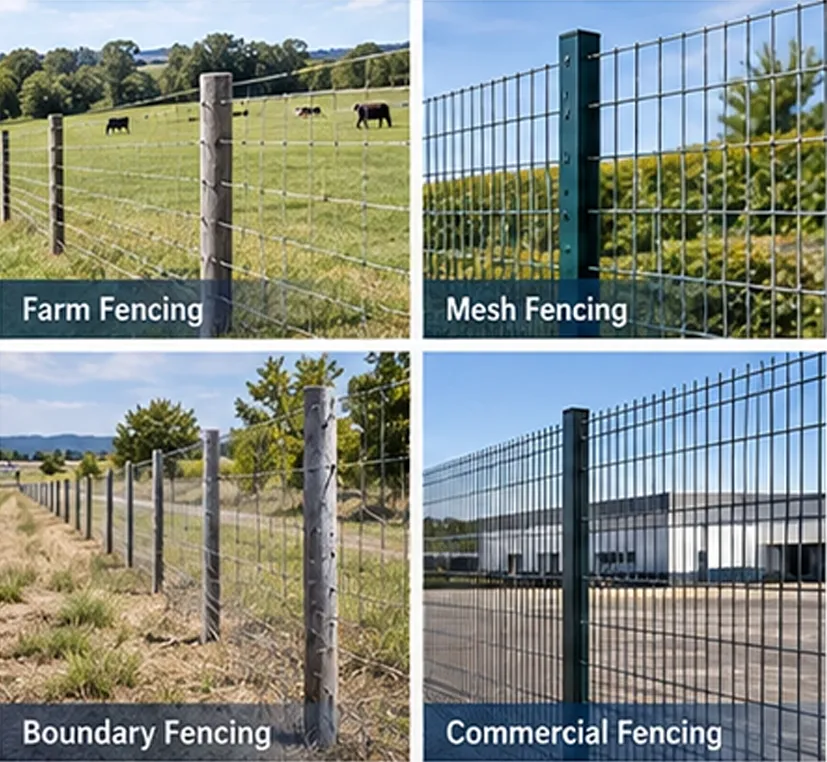
Name the mesh construction and explain what the fence must contain or keep out. That gives suppliers the context to identify the right product family before they price dimensions; the product name alone may mean different patterns in different markets.
Identify the mesh construction
State whether you need woven field fence, welded wire mesh, hexagonal netting or another construction. If you are unsure of the trade name, send a photo, drawing, catalogue reference or physical sample. A quick description also helps: are the wires woven, knotted, welded or twisted, and does the product arrive in rolls or rigid panels?
Ask the supplier to name the proposed construction in the quotation. “Farm fence mesh” is too broad to serve as an acceptance criterion.
Describe the application and site
Say what the fence is intended to contain or exclude, where it will be installed, and whether the mesh forms the whole fence or only one part. Mention conditions that could affect the specification, such as persistent moisture, coastal exposure, livestock contact or the need to contain smaller animals.
The mesh does not determine the whole fence design. Posts, wire tension, terrain, gates and end assemblies matter too. USDA NRCS Construction Specification 92, a US field-fence document, calls for project specifications to identify items such as fence type, height, mesh size, wire gauge and protective coating. Treat it as a useful example of clear project documentation, not a universal design rule. Use the local project specification or a qualified fencing designer to confirm suitability.
2. What dimensions and wire details should go in the specification?
Give the opening pattern, wire diameter, finished height and supply length, and say how each measurement is taken. For graduated mesh, list the opening sequence from bottom to top or attach a dimensioned drawing; “small openings below” leaves too much room for interpretation.
Mesh opening and wire spacing
For uniform mesh, state the opening width and height and clarify whether these are clear-opening measurements or wire-centre spacing. For graduated field fencing, list the opening sizes and horizontal wire spacing from the bottom upward. Include a simple sketch if that is easier to read than a long description.
If you are matching an existing fence, photograph the mesh beside a ruler and mark the dimensions that matter. Say which measurements are acceptance criteria and which are for reference only.
Wire diameter and mesh height
List the wire diameter for each wire type when the construction uses different line and vertical wires. If it matters to your project, state whether diameter is measured before or after coating. Give the finished mesh height and note any top or bottom wire configuration that affects it.
Avoid relying on “gauge” alone unless both sides agree on the gauge system. A diameter in millimetres is easier to compare across quotes.
Roll length, panel size and tolerances
For rolls, specify the required length and any maximum roll diameter or handling weight that affects storage or installation. For panels, give width, height and the edge or frame details included in the supplied item. Set tolerances for critical dimensions, or ask the supplier to propose them for your written approval before production.
This is where small ambiguities can become expensive. Mark the dimensions that must be met and the ones that can vary; otherwise, a minor variation may cause a dispute while an important one goes unchecked.
3. How should you specify the steel and corrosion protection?
Name the material and corrosion protection required by the project, or ask suppliers to state exactly what they are offering. “Galvanised” by itself may not define the coating route, coating mass or applicable standard, so include a standard only when the project actually requires it.
State material and coating requirements
If the project specifies a steel grade, wire strength or coating standard, give its full designation and say what records must accompany the order. If it does not, ask suppliers to describe the material and coating for the proposed product. That lets you compare real offers without adding a requirement after quotations arrive.
Where relevant, distinguish pre-galvanised wire from mesh galvanised after fabrication. Neither route is automatically right for every project; suitability depends on the construction, exposure and stated requirements. Ask the supplier to explain which process is included in the quote.
Describe exposure and documentation needs
Tell suppliers about coastal air, persistent moisture, soil contact, chemicals or abrasion. Ask them to confirm whether the offered finish meets your requirement and which records they can provide for the actual order. A brochure describes a product; it is not, by itself, an inspection record for your shipment.
If the project has no named coating requirement, request the available options and supporting product information. Compare the details, not just the finish labels.
4. Which edge, joint and drawing details need confirmation?
Show how the mesh ends and connects to the rest of the fence, then identify the drawing revision that controls production. Edge wires, panel borders, cut ends and fixing points can affect fit and handling even when two products share the same nominal opening size.
Check edge and connection details
For rolls, state whether you require a particular selvedge, cut-wire arrangement or end treatment. For panels, show the border, frame, joining method and fixing points. Include overlaps or interfaces with posts and gates only when they are part of the supplier’s scope.
If the mesh has to meet another component, provide that component’s dimensions or drawing as well. A mesh drawing cannot confirm that the complete fence connection will fit.
Control revisions and tolerances
Put the drawing number and revision date in the RFQ. Ask the supplier to cite that same revision in the quotation and order acknowledgement. If a sample is the reference, label it and say whether it controls appearance, dimensions or both.
Ask for proposed deviations in writing. It is much easier to review a substitution before production than after a batch has been made.
5. What quality checks and documents should buyers request?
Replace “good quality” with checks that can be observed or measured, and request only records that matter to the project. List the dimensions or finish features to verify, then confirm which inspections and documents the supplier can provide for this product and order.
Define inspection points
Possible checks include mesh openings, wire diameter, overall height and length, edge condition, visible damage and coating appearance. Choose the checks that affect fit or use; a small project may not need a formal inspection plan. If you do require a sampling plan or named inspection standard, specify it and get written agreement before production.
Do not make a test a pass-or-fail requirement until the supplier confirms it can be performed. If that test is essential, use its availability to assess suppliers before placing the order.
List required records
Depending on the project, you may need an approved drawing, material or coating information, inspection results, batch identification or traceability records. Ask suppliers to label each requested item as available, unavailable or awaiting confirmation. That is more useful than a general promise to provide “all certificates.”
6. How should bulk mesh be packed and shipped?
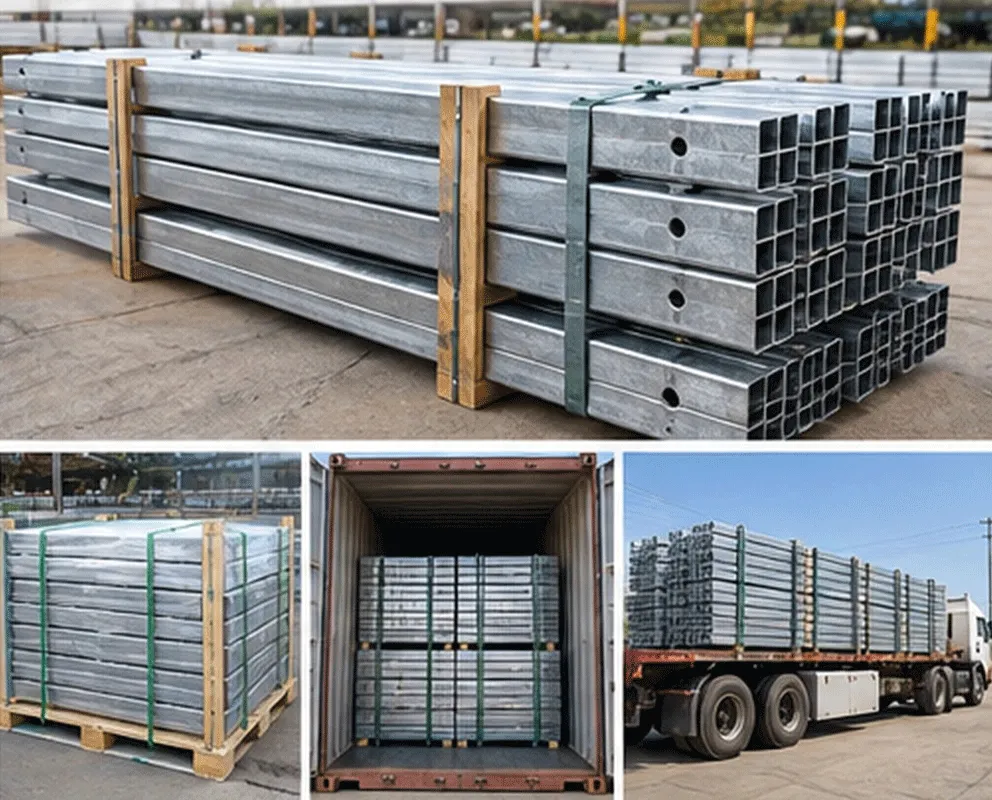
Specify the unit of sale, rolls or panels per bundle, protective packing, labels and delivery destination. Packing affects unloading, storage and damage risk, so agree on it before comparing unit prices or approving a shipment plan.
Define bundle and label requirements
For rolls, state any maximum roll weight or dimensions your team can handle. For panels, specify stacking or pallet requirements and how edges should be protected. List labels needed for product type, dimensions, batch, quantity or destination.
If you need export packing, pallet marks or private labels, request them explicitly and ask whether they affect the price or minimum order. Do not assume they are included as standard.
Provide destination and timing
Give the destination country and delivery point, such as a port or receiving address, plus the target delivery window. Ask suppliers to state the delivery basis, freight assumptions, quote currency, validity and payment terms. Treat a lead-time estimate as provisional until the supplier confirms the order details and schedule.
7. What should a bulk farm fencing mesh RFQ include?
An RFQ should give every supplier enough information to price the same mesh, packing and delivery scope. Use the checklist below, attach the latest drawing or sample reference, and mark unknown items “to be confirmed” rather than leaving suppliers to guess.
Bulk farm fencing mesh RFQ checklist
- Mesh type and construction:
- Intended application and site conditions:
- Drawing number, revision, photo or approved sample:
- Mesh opening pattern and measurement basis:
- Wire diameter for each wire type:
- Finished height and roll length or panel dimensions:
- Critical tolerances and reference dimensions:
- Steel grade or material requirement, if specified:
- Required coating or finish, and standard if applicable:
- Required inspections and quality documents:
- Quantity by product type and size:
- Rolls or panels per bundle, pallet or pack:
- Labels, export packing or protection requirements:
- Destination and required delivery window:
- Quote currency, validity, delivery basis and payment terms:
- Deviations, exclusions and open questions the supplier must identify:
Ask each supplier to return the quote against the same fields. If a detail is not confirmed, have it shown as open instead of letting it disappear in a footnote.
8. How do you compare farm fencing mesh quotes fairly?
Compare prices only after confirming that the offers cover the same construction, dimensions, wire details, finish, tolerances, packing and delivery basis. Put the unit price beside its selling unit and quantity, then show freight, documents and exclusions separately.
If a supplier proposes another construction or coating, ask for it as a separate option with its own drawing and specifications. It may suit the job, but it is not a like-for-like quote until you have checked the details.
For repeat orders, keep the approved specification, drawing revision, finish, packaging and labels together. That gives the next buyer a clear baseline and makes changes easier to spot.
9. What mistakes can cause problems with bulk fencing mesh orders?
An RFQ can leave room for mismatches when it uses a broad product name, omits part of the mesh pattern, leaves the coating undefined or skips packing and delivery details. Those gaps can lead suppliers to price different scopes, so the buyer ends up resolving differences after the quote—or the order—has moved forward.
Check for these gaps before sending the RFQ:
- Asking for “farm fence mesh” without naming the construction or sharing a reference.
- Giving an opening size without saying whether it is clear opening or centre-to-centre.
- Listing one wire diameter when the mesh uses more than one wire type.
- Writing “galvanised” without a project requirement or a request for coating details.
- Giving a total quantity without splitting different sizes or configurations.
- Requesting certificates or tests without confirming they are available for the product.
- Omitting roll, panel, bundle, destination or delivery-basis information.
- Sending a drawing without identifying its current revision.
If a detail is unknown, mark it as a question. A visible gap is easier to resolve than an assumption hidden in a price.
10. Frequently asked questions
What information is needed to quote farm fencing mesh in bulk?
Suppliers need the mesh construction, application, opening pattern, wire diameters, overall dimensions, finish, quantity, packaging, destination and requested documents. Attach a drawing or sample reference, then ask them to list any deviations or details they still need.
How do I choose the right mesh opening size?
Choose the opening pattern from the project’s containment or exclusion requirement and the applicable local fence design. Confirm the intended animal or boundary use with a qualified fencing designer or local guidance; a supplier’s standard pattern is not automatically suitable for every site.
What is the difference between pre-galvanised and hot-dip galvanised mesh?
Pre-galvanised commonly means the wire is coated before the mesh is made; hot-dip galvanised commonly means the fabricated mesh is dipped afterwards. Suppliers may describe processes differently, so ask them to state exactly what is included, the specified coating requirement and what records they can provide. Choose against the project specification and exposure, not the label alone.
Can farm fencing mesh be supplied to a drawing or custom specification?
That depends on the supplier and product. Send the drawing with its revision, quantity and required dimensions, then ask the supplier to confirm in writing which details it can meet and list any proposed changes. Do not treat a drawing as accepted until the quotation or order acknowledgement references it.
What should I confirm before placing a bulk order?
Confirm the approved drawing revision, construction, dimensions, coating, agreed tolerances, inspection records, pack configuration, destination and delivery basis. Resolve substitutions and open items in writing before releasing production.
Request a quote for bulk farm fencing mesh
Send the mesh reference or drawing, quantity by size, finish, packing requirements and delivery destination. Ask the supplier to repeat the agreed specification in the quote and flag every change, exclusion or unanswered item. That makes it easier to compare offers and gives both sides a clearer order record.